The transition towards a climate-neutral building stock is one of Europe’s greatest challenges. While renovation has long been recognised as a key pillar of decarbonisation, the latest revision of the Energy Performance of Buildings Directive (EPBD) introduces a new level of ambition: every Member State must now develop comprehensive National Building Renovation Plans (NBRPs) to guide the transformation of its building stock towards net-zero emission targets by 2050.
To support this transition, researchers and project partners from GreenRenoV8 recently prepared a scientific paper which was presented at the SBE25 Trondheim Conference, entitled “Roadmaps for the Establishment of National Building Renovation Plans”. The work was led by Giovanna Cassavia together with experts from Austria, Belgium, Greece, Slovenia and Spain, on behalf of the GreenRenoV8 project.
The paper addresses a practical question faced by many European countries: how can existing Long-Term Renovation Strategies be adapted to meet the new requirements introduced by the revised EPBD?
To answer this question, the authors developed a checklist-based assessment framework directly derived from the mandatory NBRP template included in the EPBD. The methodology was applied across five European countries, helping identify strengths, gaps and areas requiring further development in national renovation planning.
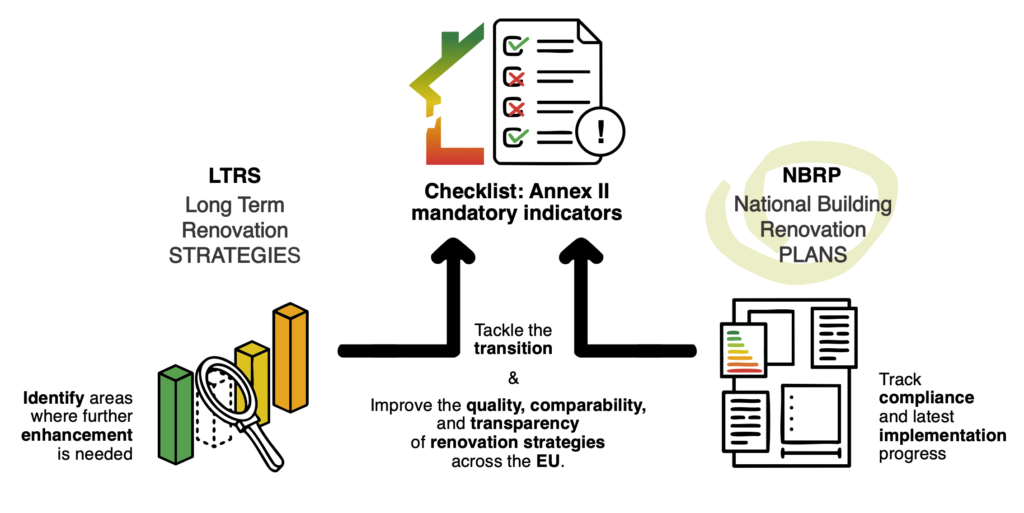
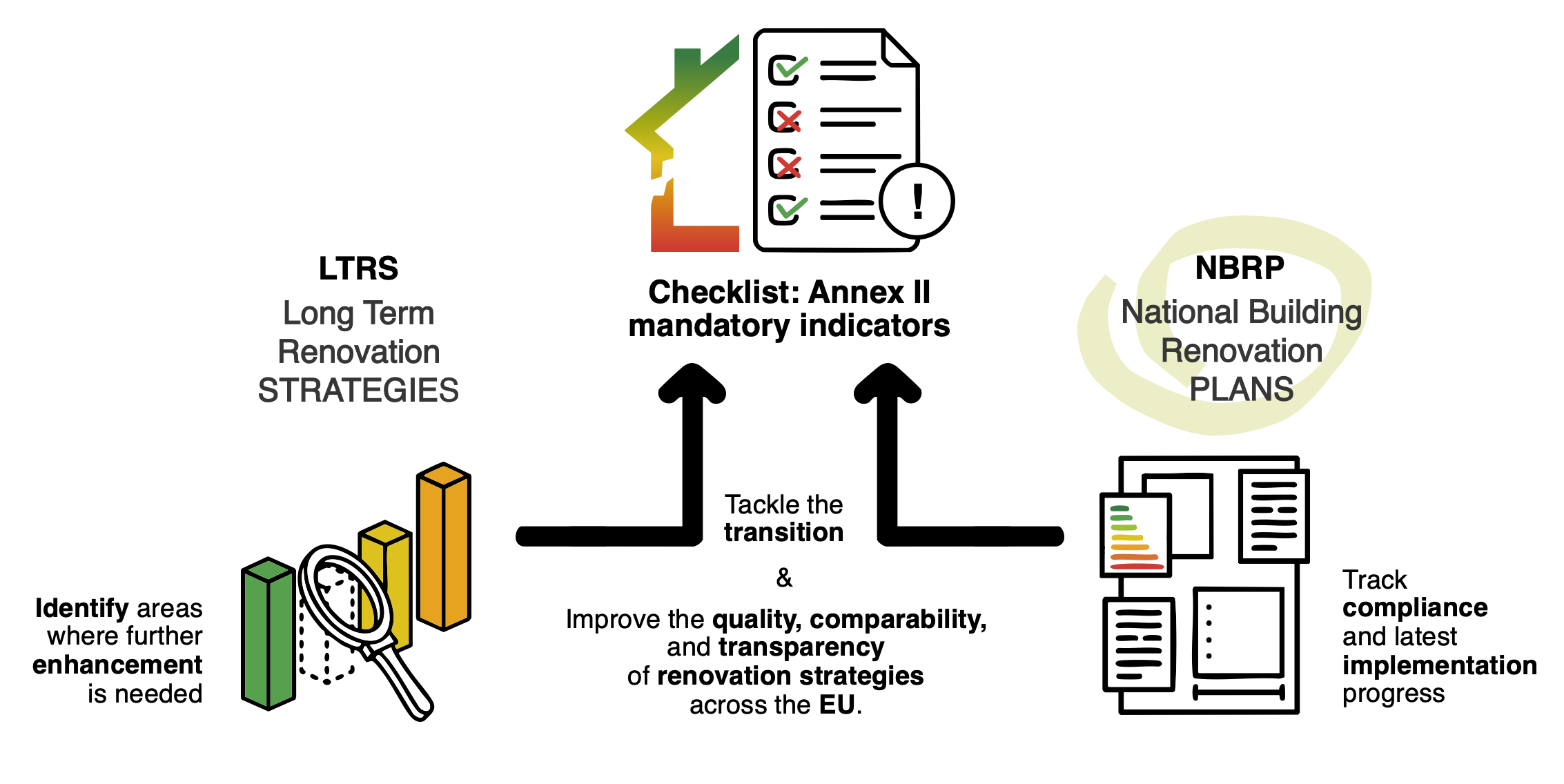
Figure 1: Checklist-based assessment framework (figure developed by Giovanna Cassavia).
The results highlight that, while significant progress has already been made in documenting building stocks and defining renovation objectives, many countries still face challenges related especially to financing mechanisms, investment needs, data harmonisation and the identification of worst-performing buildings. The research also demonstrates the importance of common reporting frameworks to improve transparency and comparability across Europe.
Beyond the academic contribution, the study reflects one of GreenRenoV8’s core objectives: supporting public authorities and stakeholders in implementing the revised EPBD and accelerating high-quality renovation across Europe.
As Member States prepare their first National Building Renovation Plans, initiatives such as GreenRenoV8 play an important role in bridging policy requirements and practical implementation, helping ensure that renovation strategies become actionable roadmaps for achieving Europe’s climate goals.
The full paper is openly available and can be accessed through Zenodo.