Nazaj na seznam
14. 01. 2026

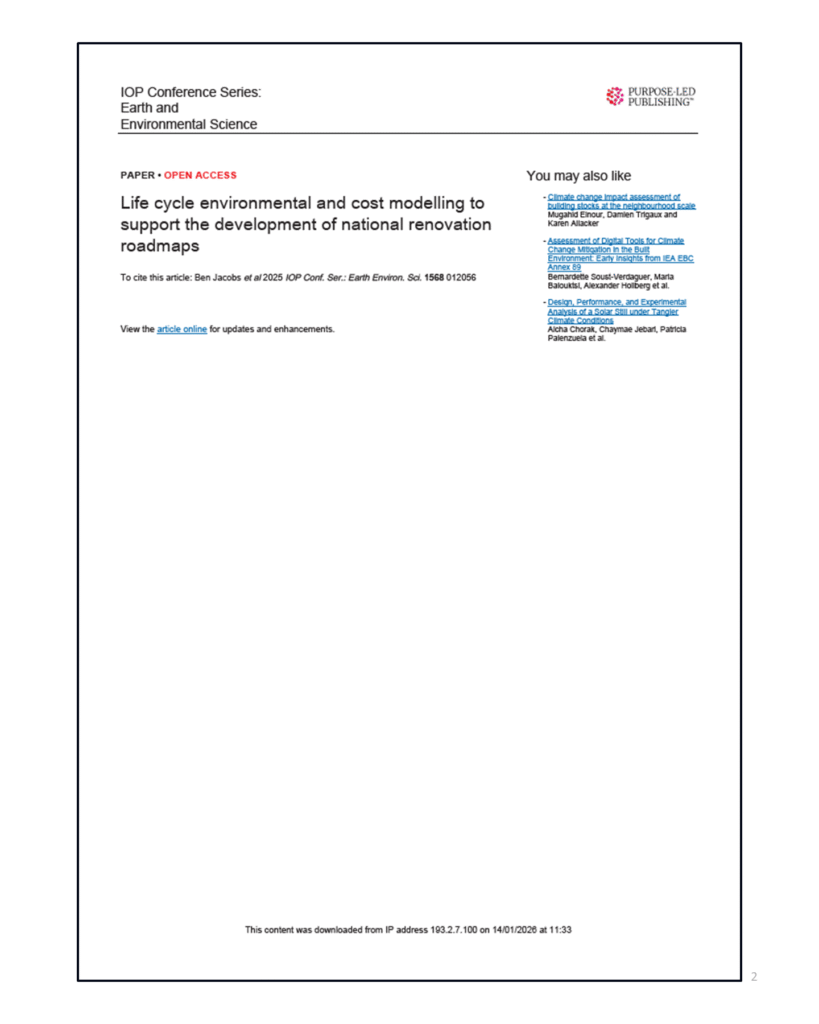
Recently a new peer-reviewed paper titled “Life cycle environmental and cost modelling to support the development of national renovation roadmaps” has been published in the IOP Conference Series: Earth and Environmental Science.

The article presents the methodological framework developed within the LIFE GreenRenoV8 project, which aims to support EU Member States in implementing the revised Energy Performance of Buildings Directive (EPBD). The approach combines life cycle environmental assessment (LCA), life cycle costing (LCC) and building stock modelling to identify cost-effective and sustainable renovation strategies at both building and national levels.

Focusing on five pilot countries – Austria, Belgium (Flanders), Greece, Italy and Slovenia – the study uses representative building archetypes to assess renovation pathways that integrate energy efficiency, carbon reduction and seismic resilience. By scaling building-level results to national building stocks, the methodology provides robust evidence to prioritise renovation measures and support the development of National Renovation Plans and Building Renovation Passports.

The publication highlights how integrated environmental and economic modelling can help policymakers design renovation strategies that maximise climate impact reduction while remaining financially viable, contributing to the EU’s goal of a climate-neutral building stock by 2050.

09. 12. 2025

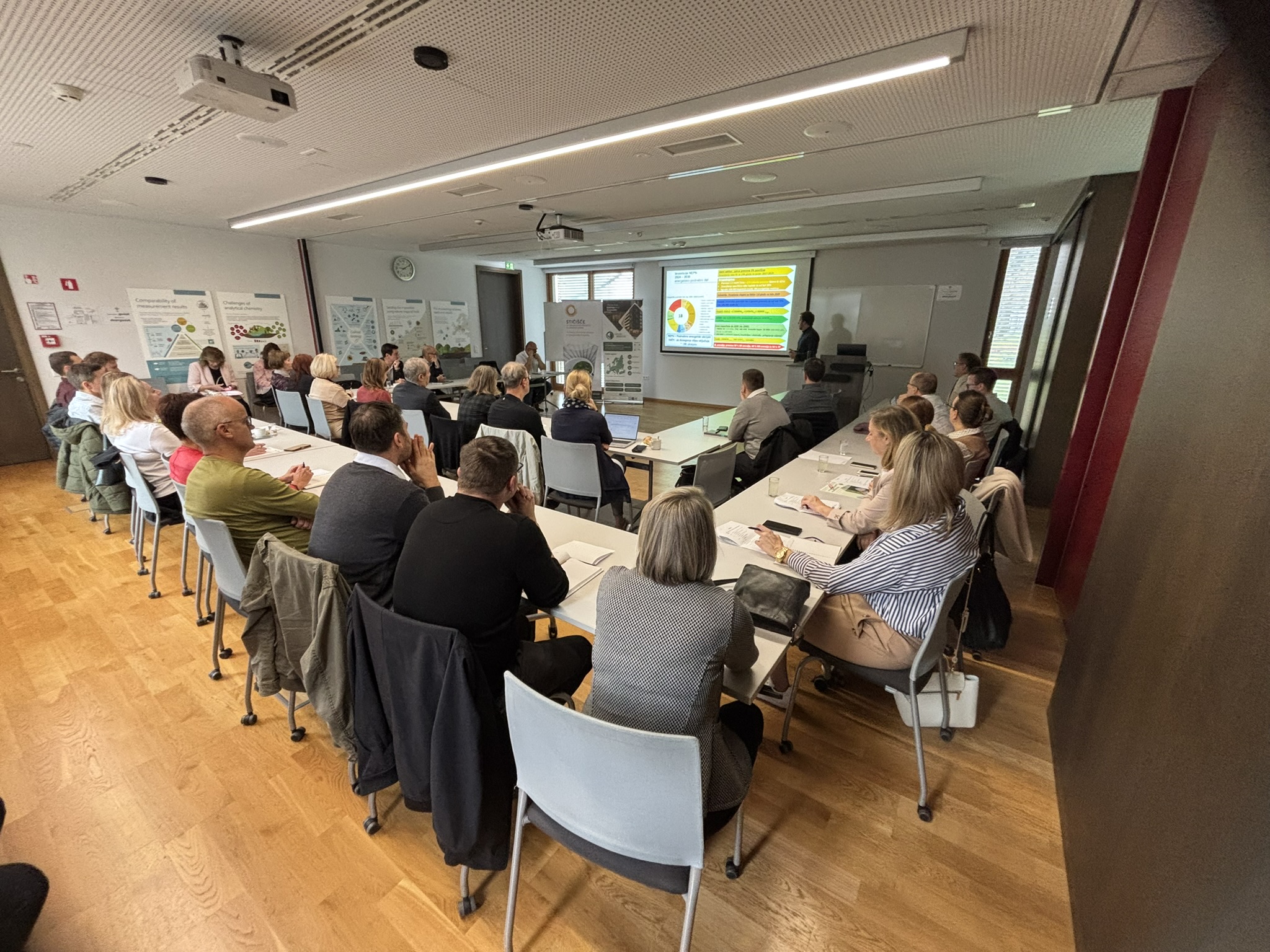
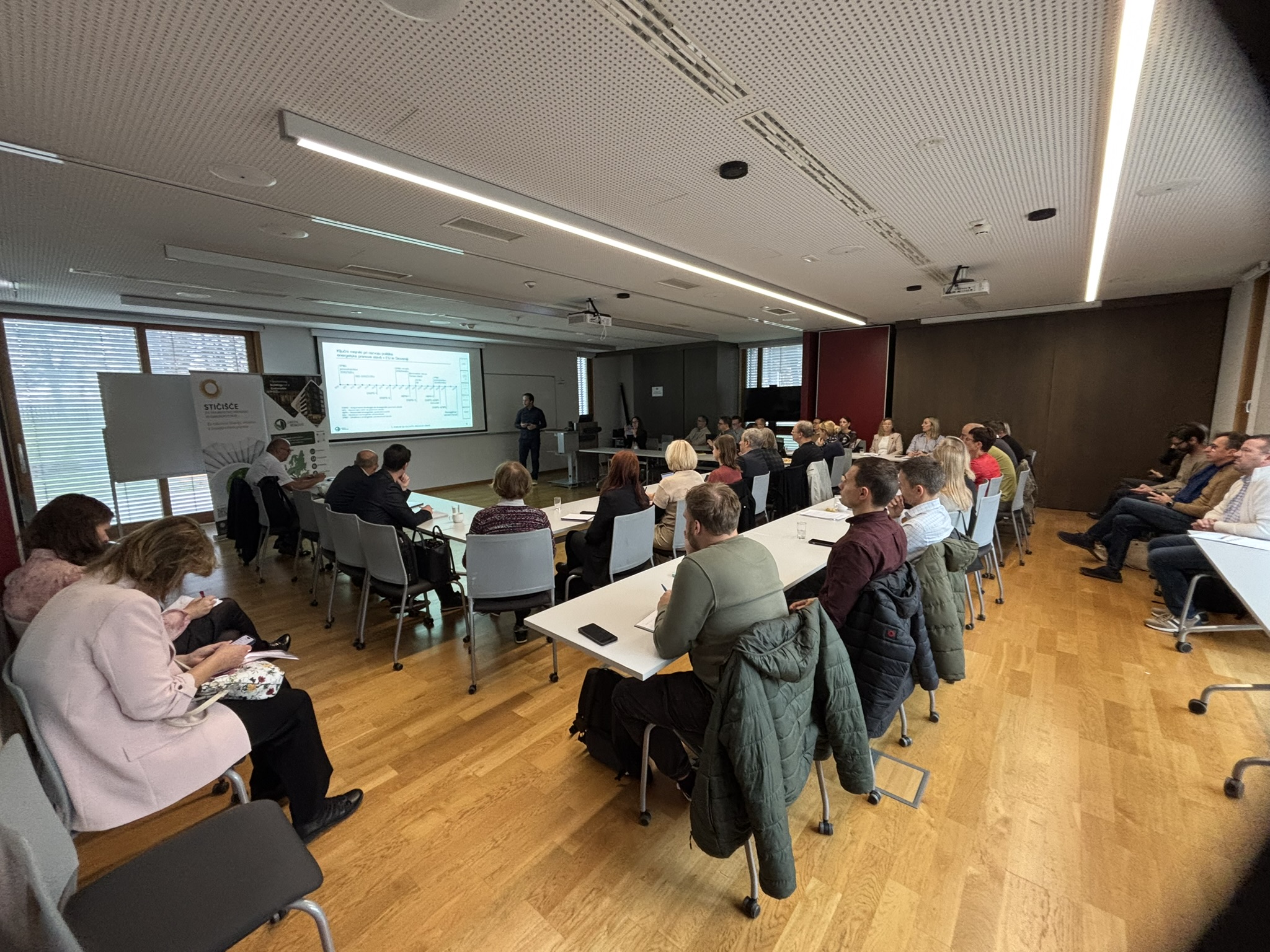
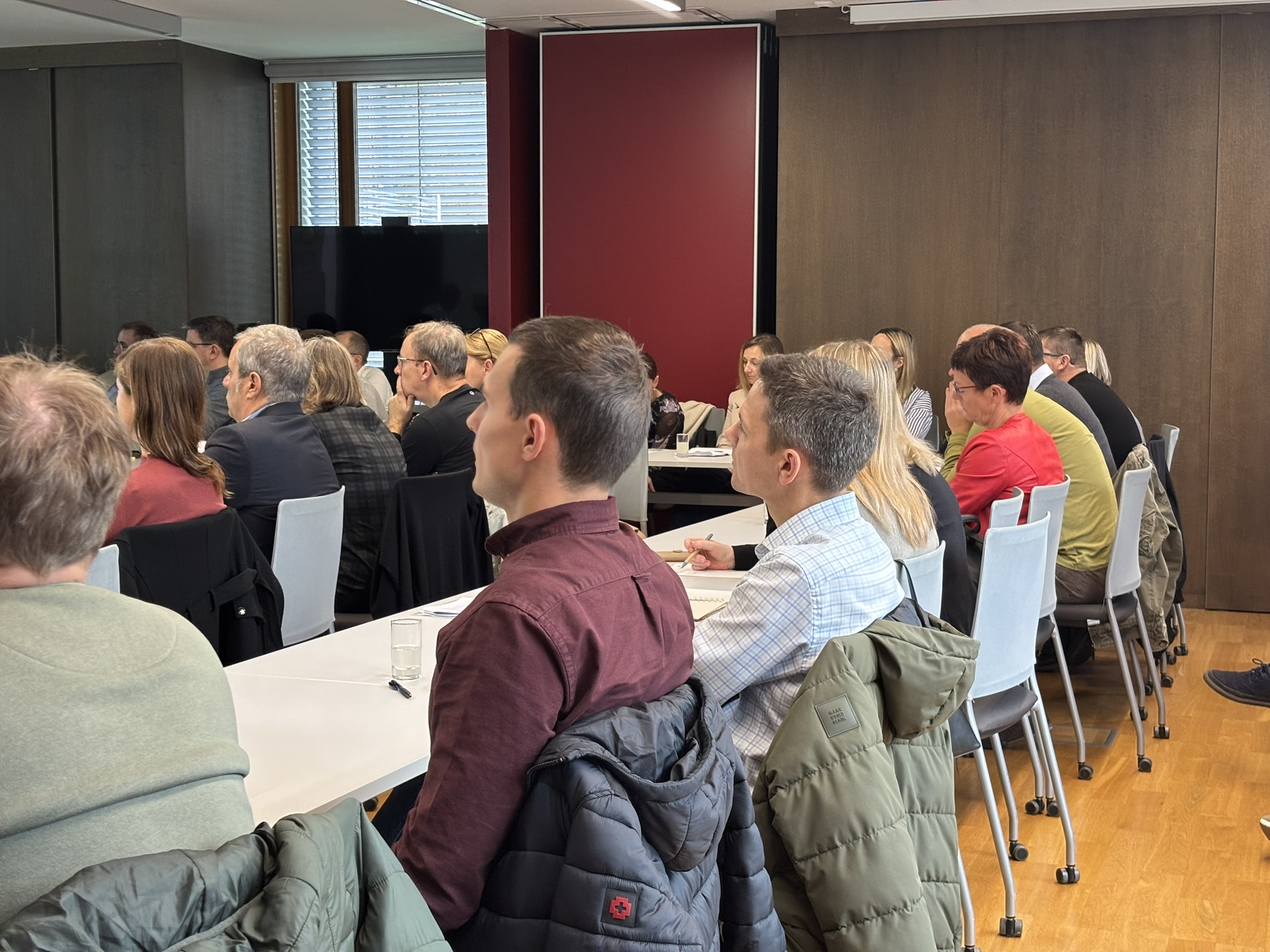
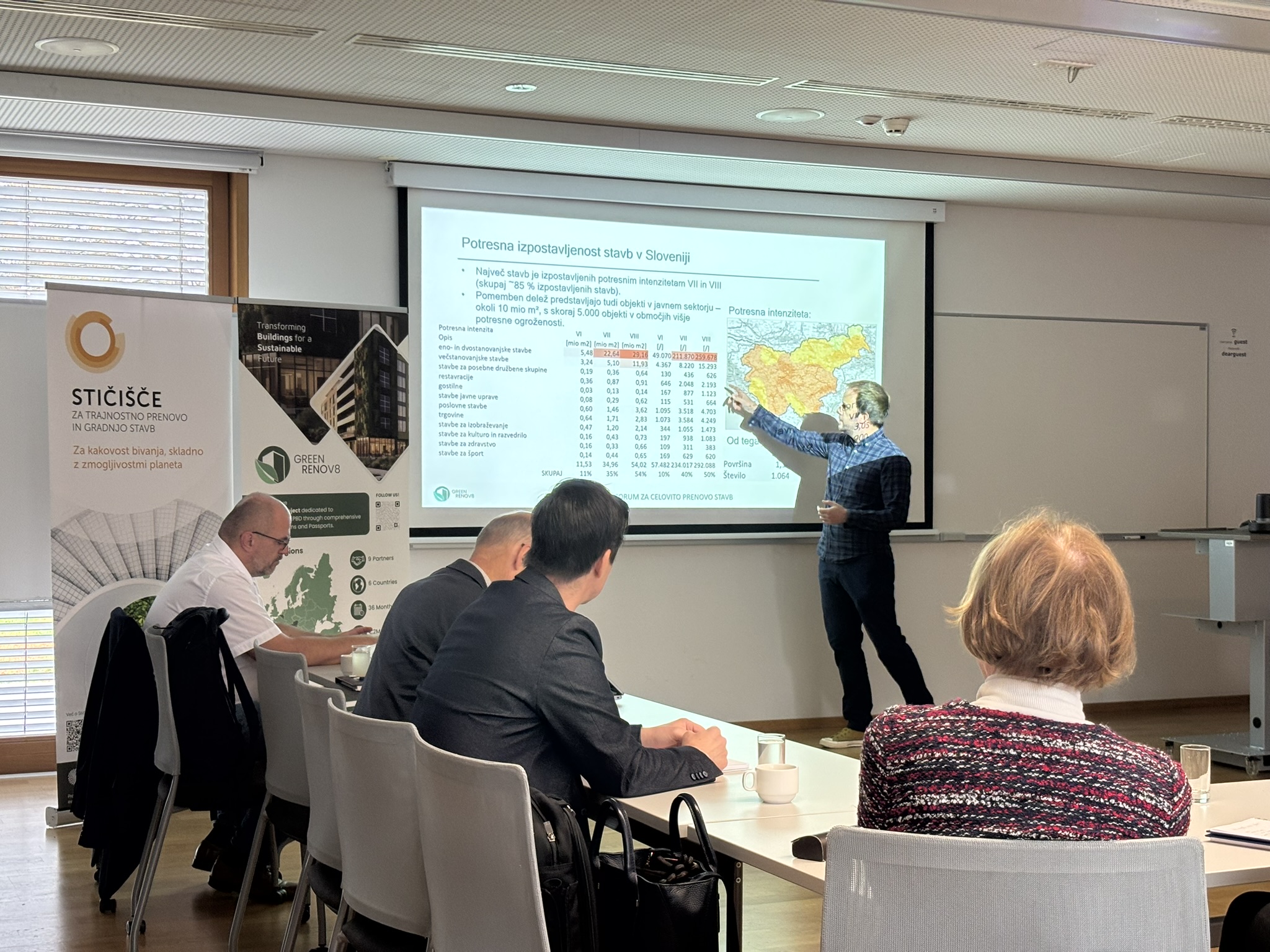
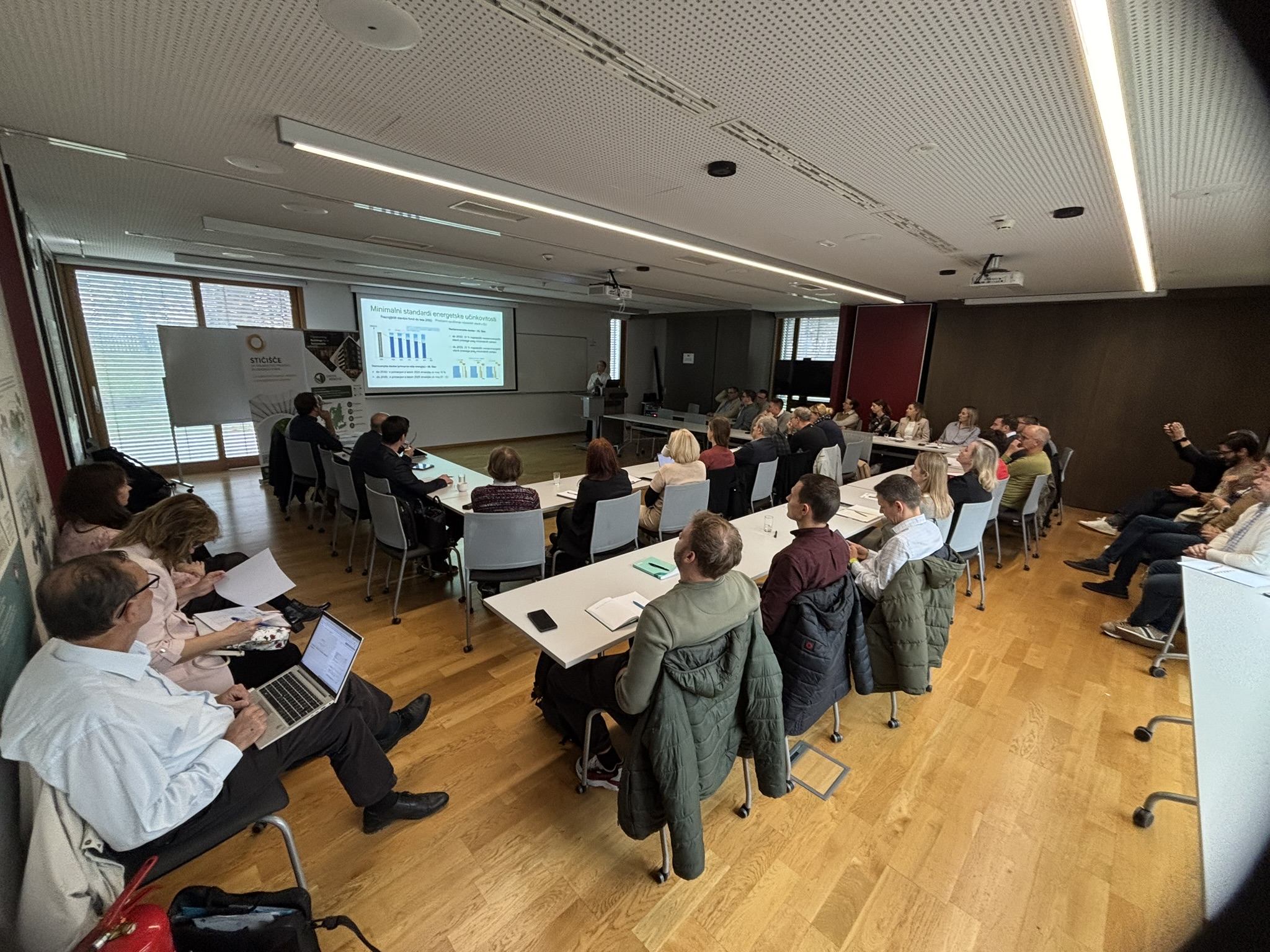
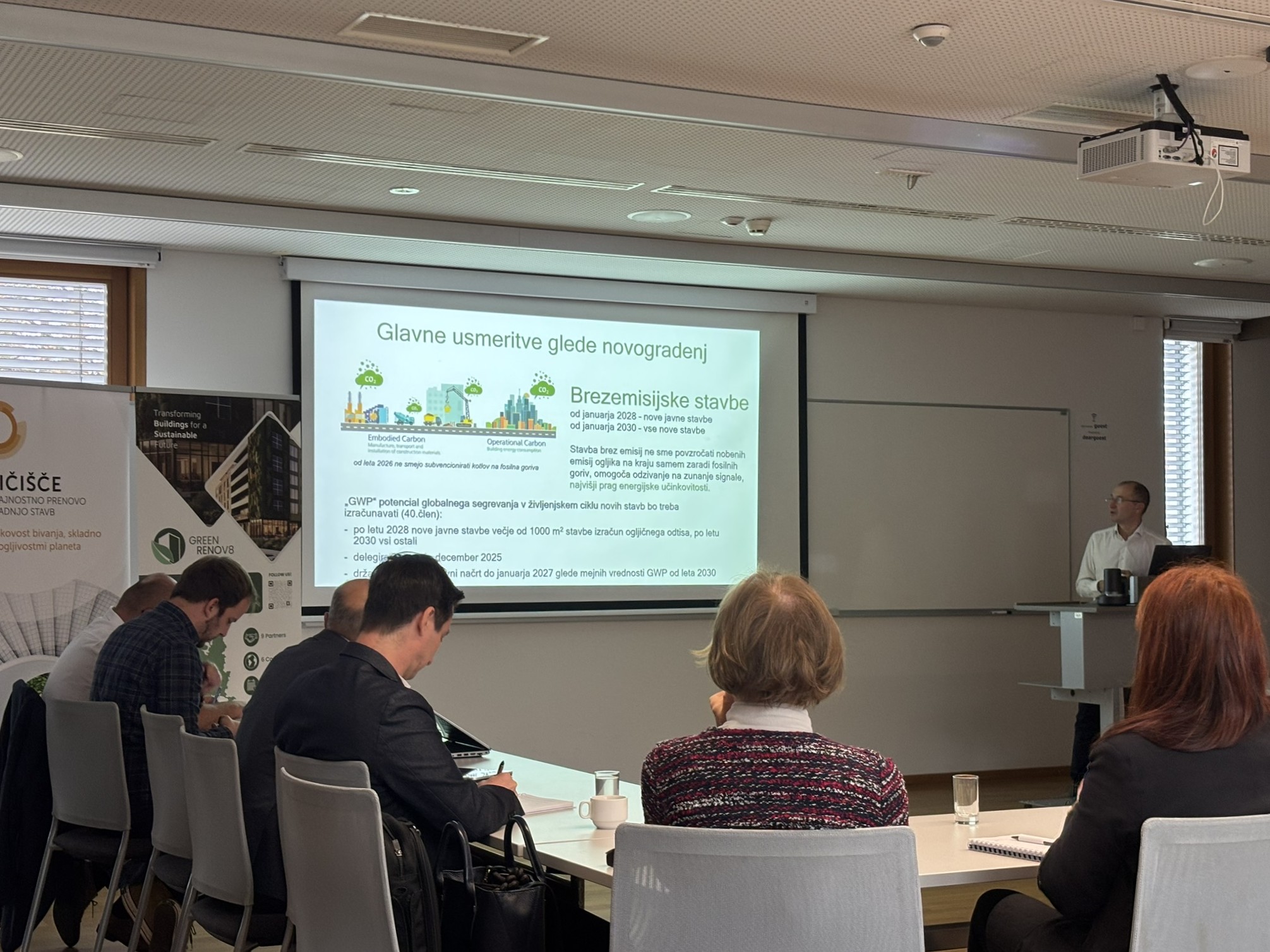
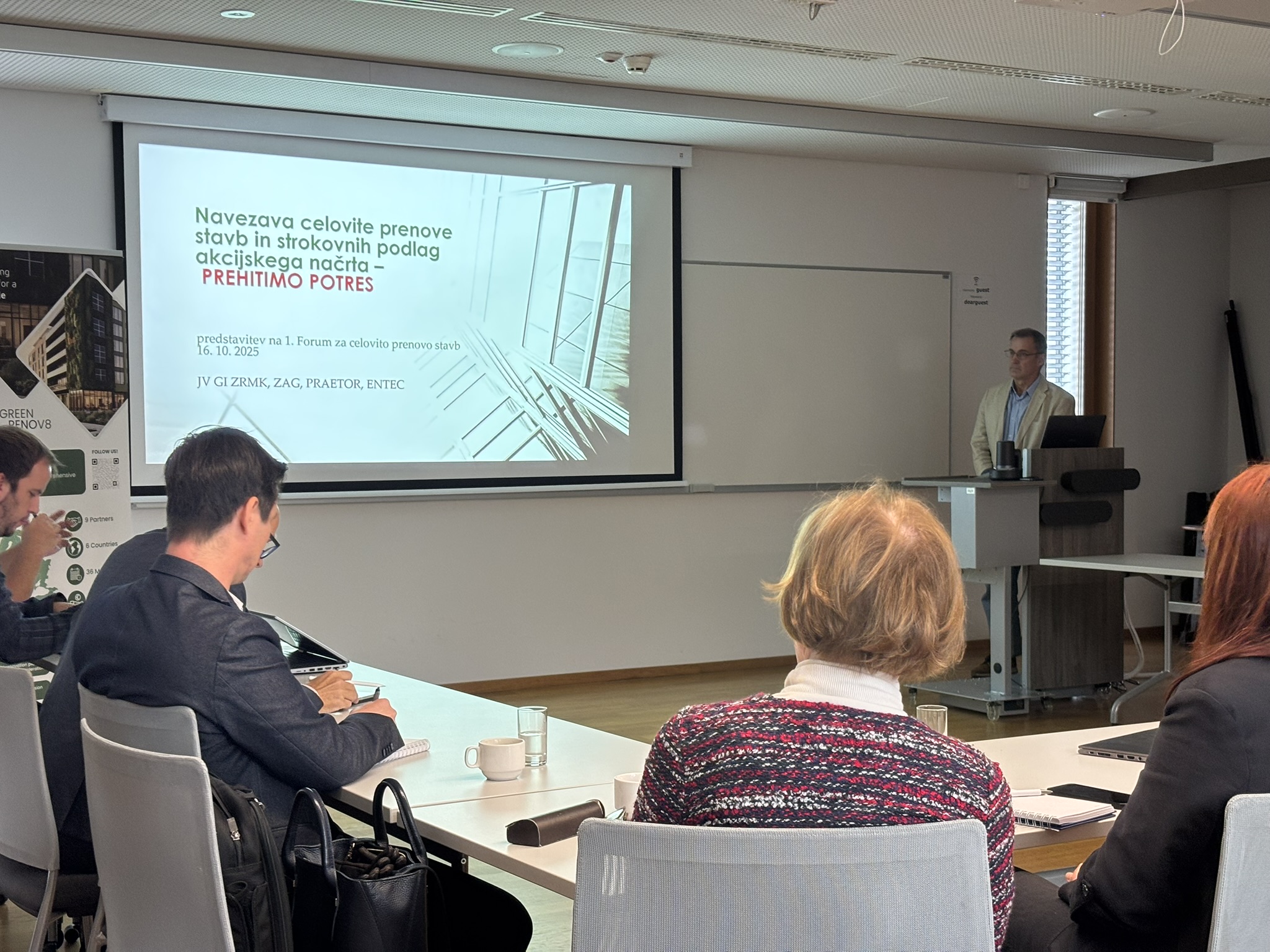
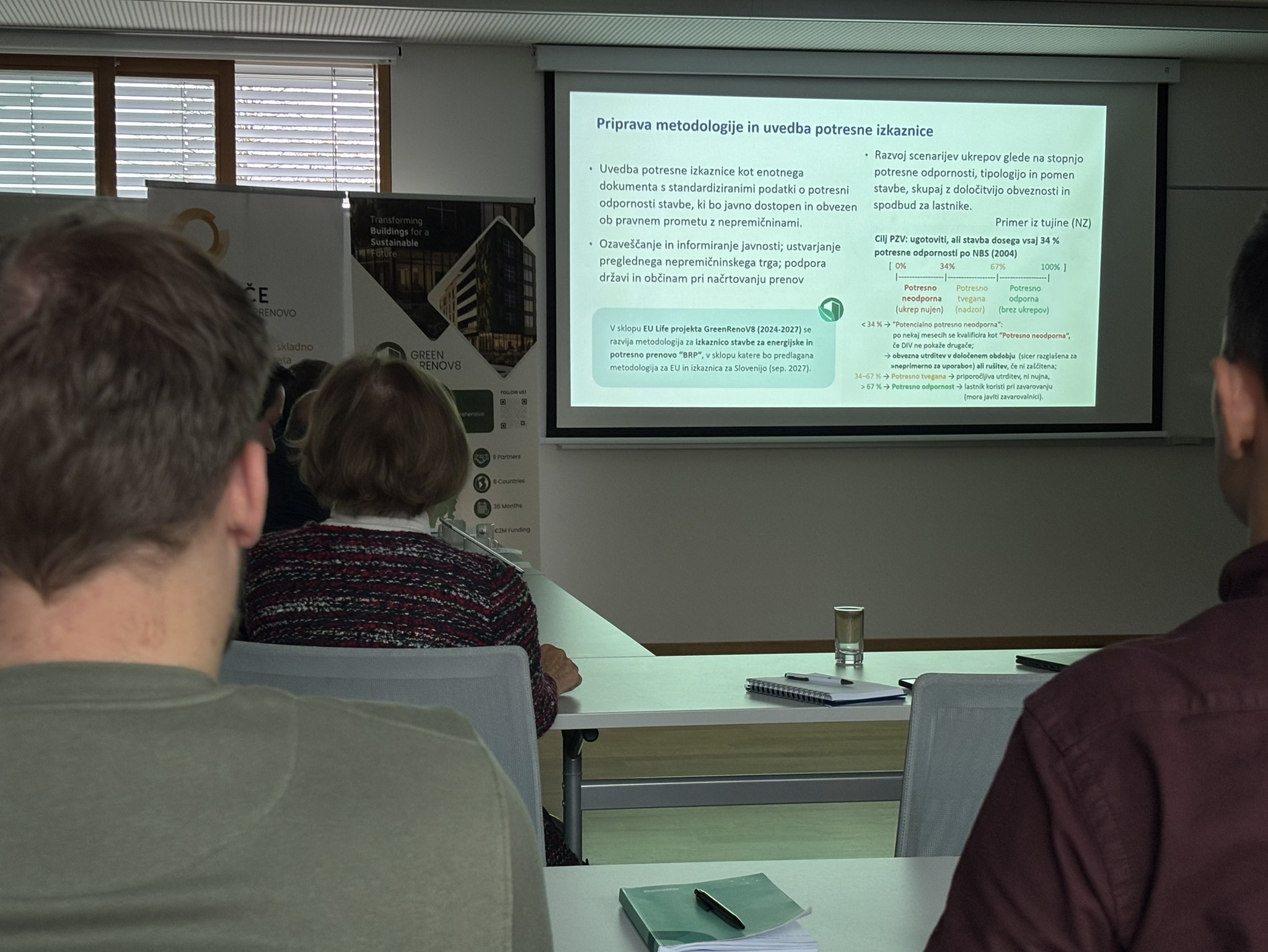
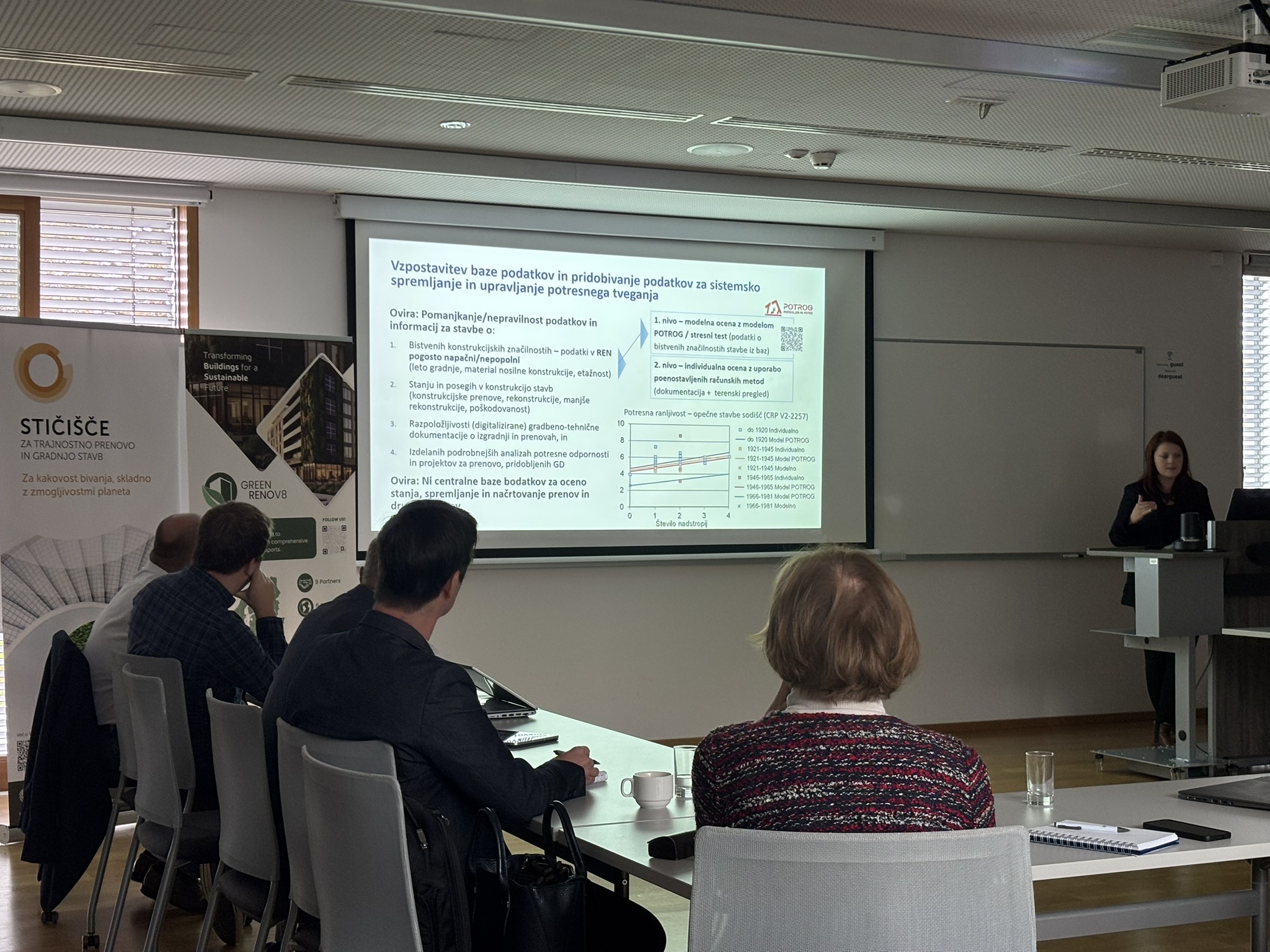
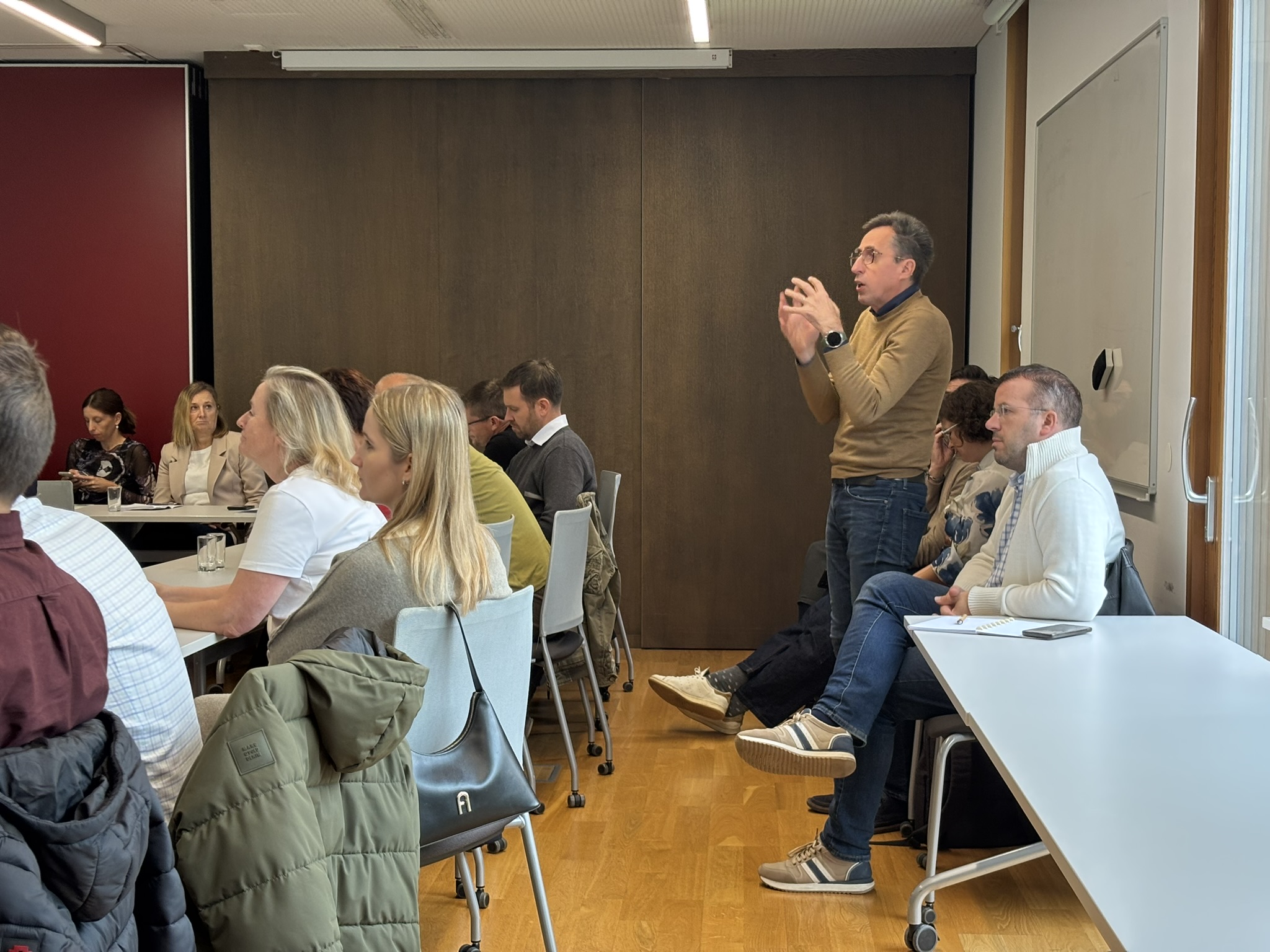
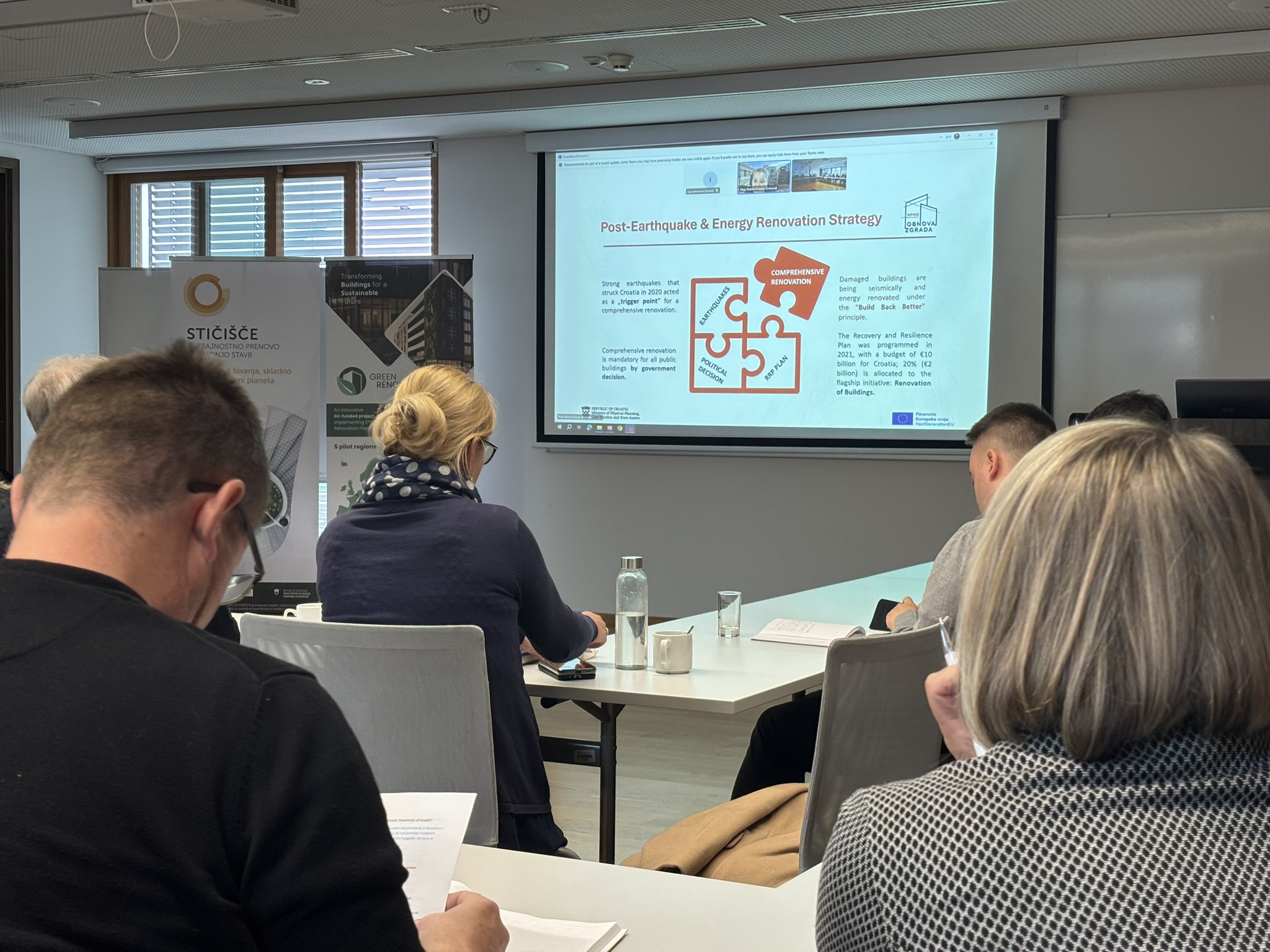
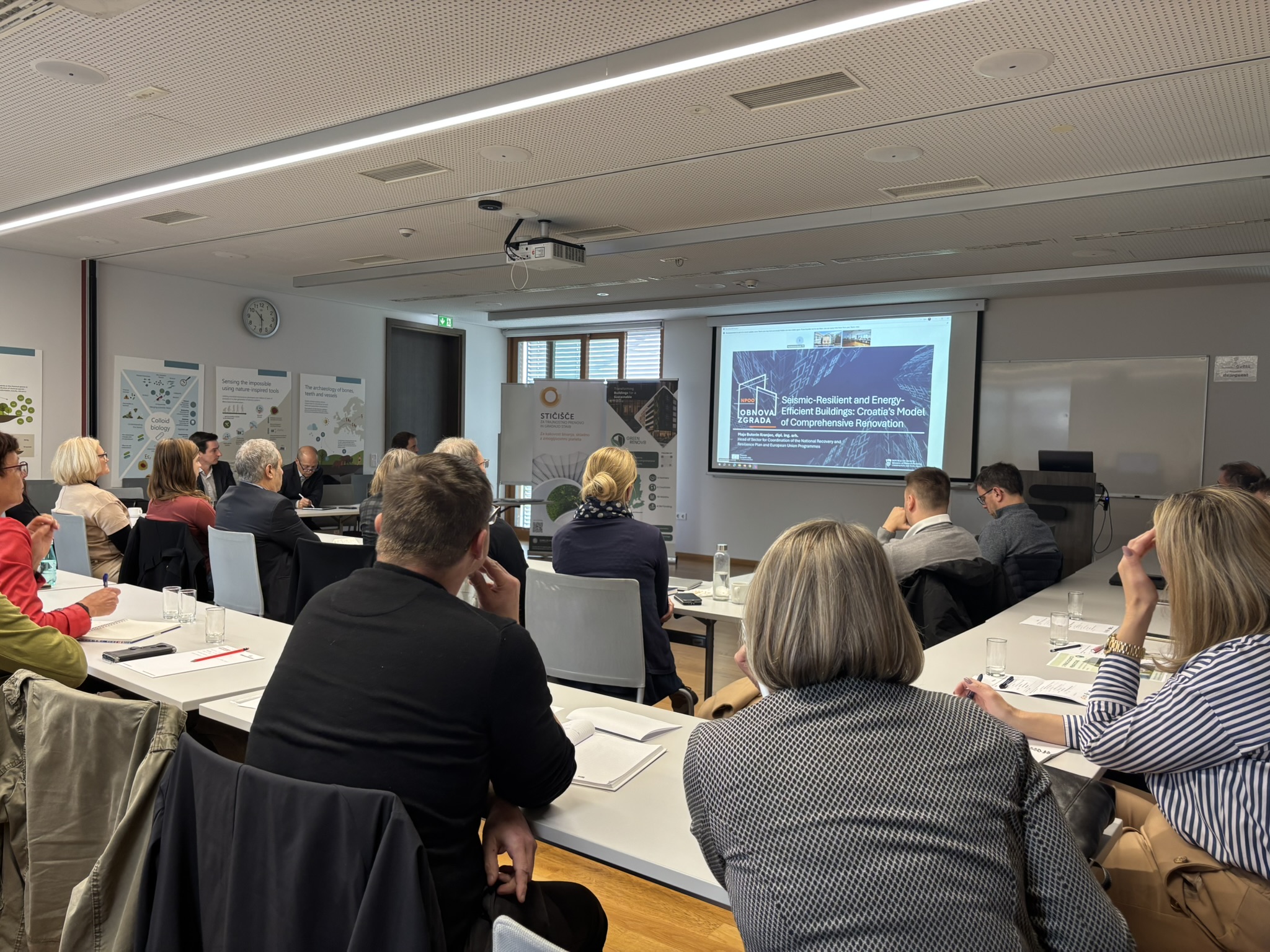
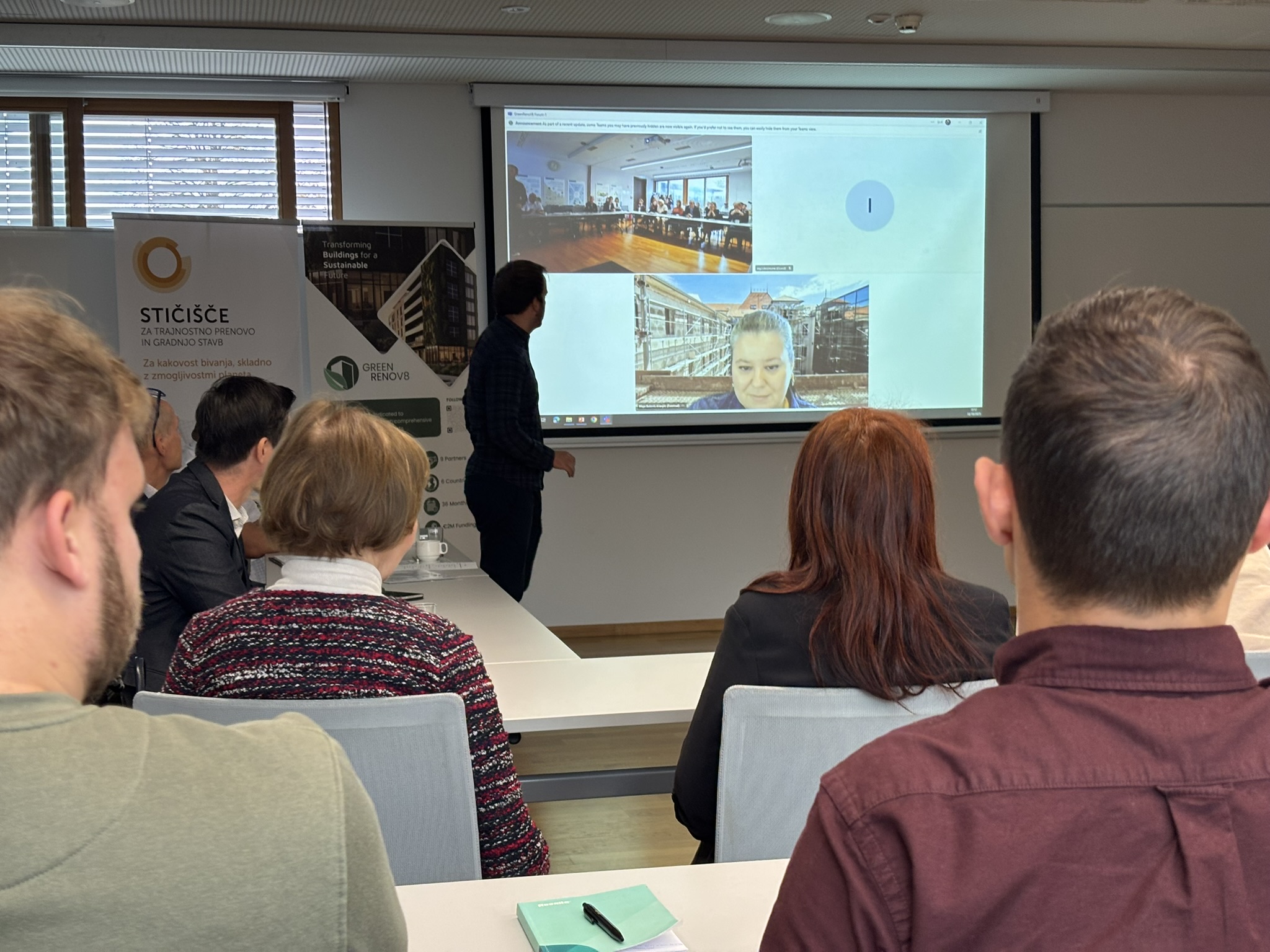
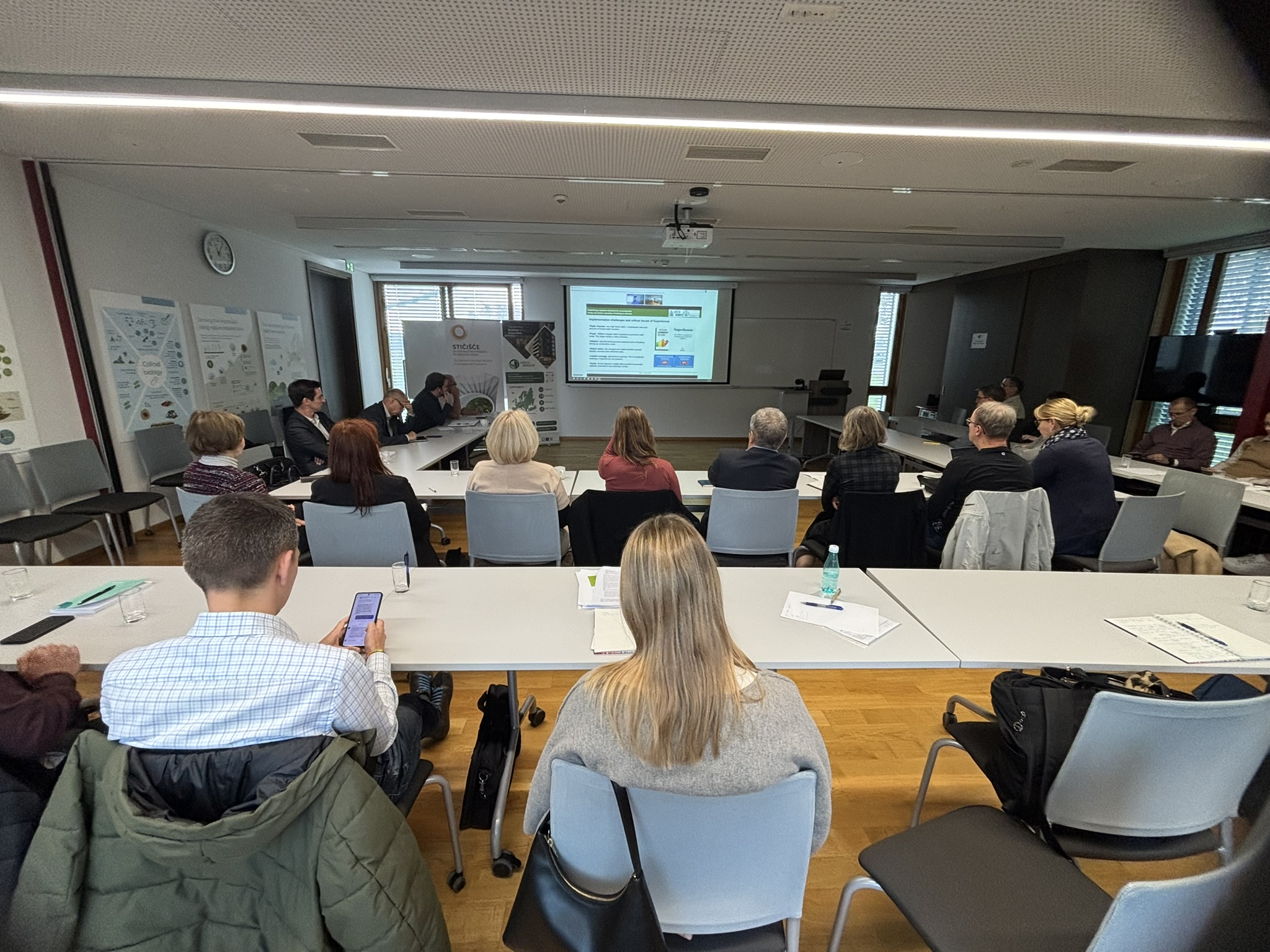
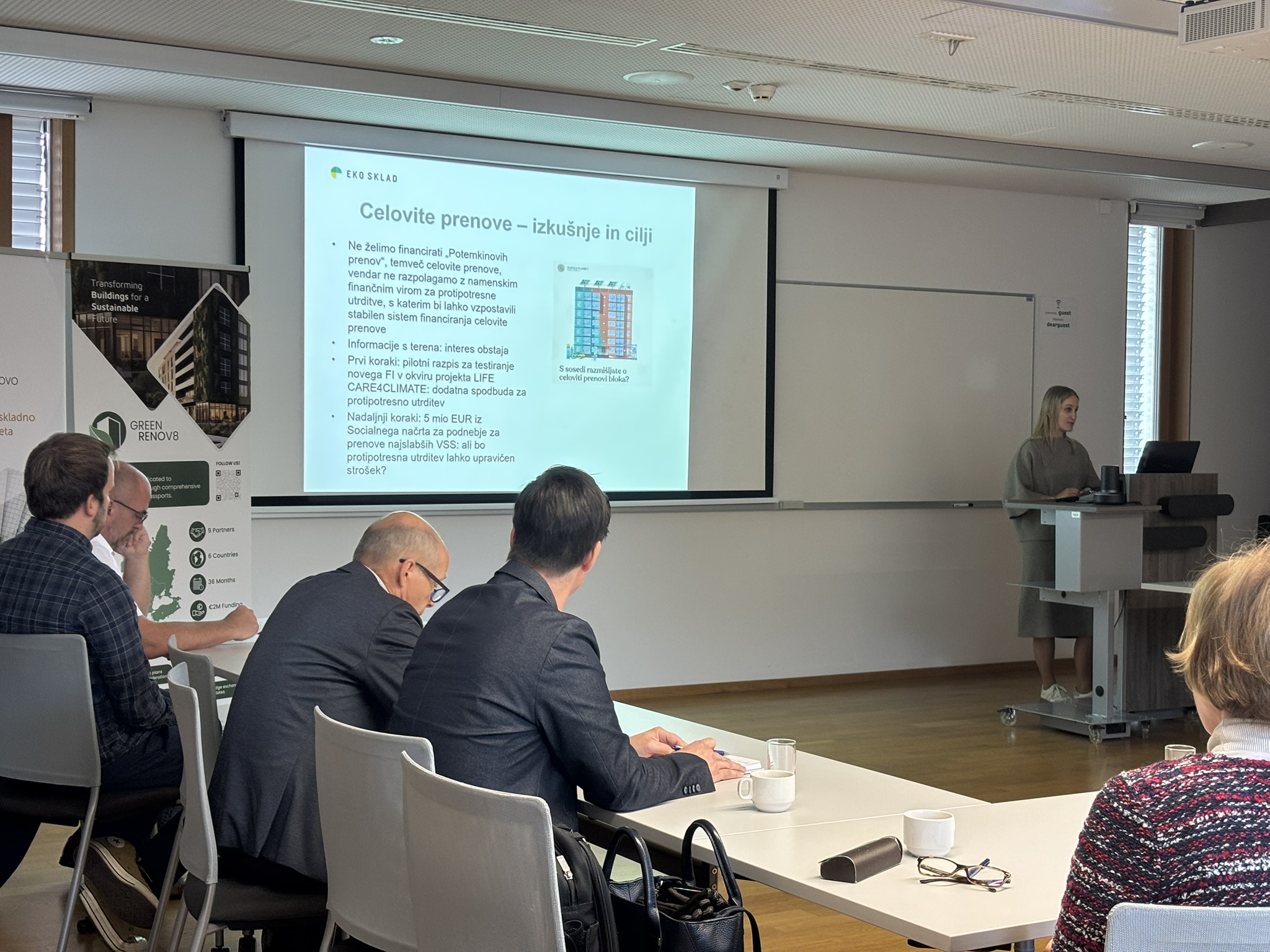
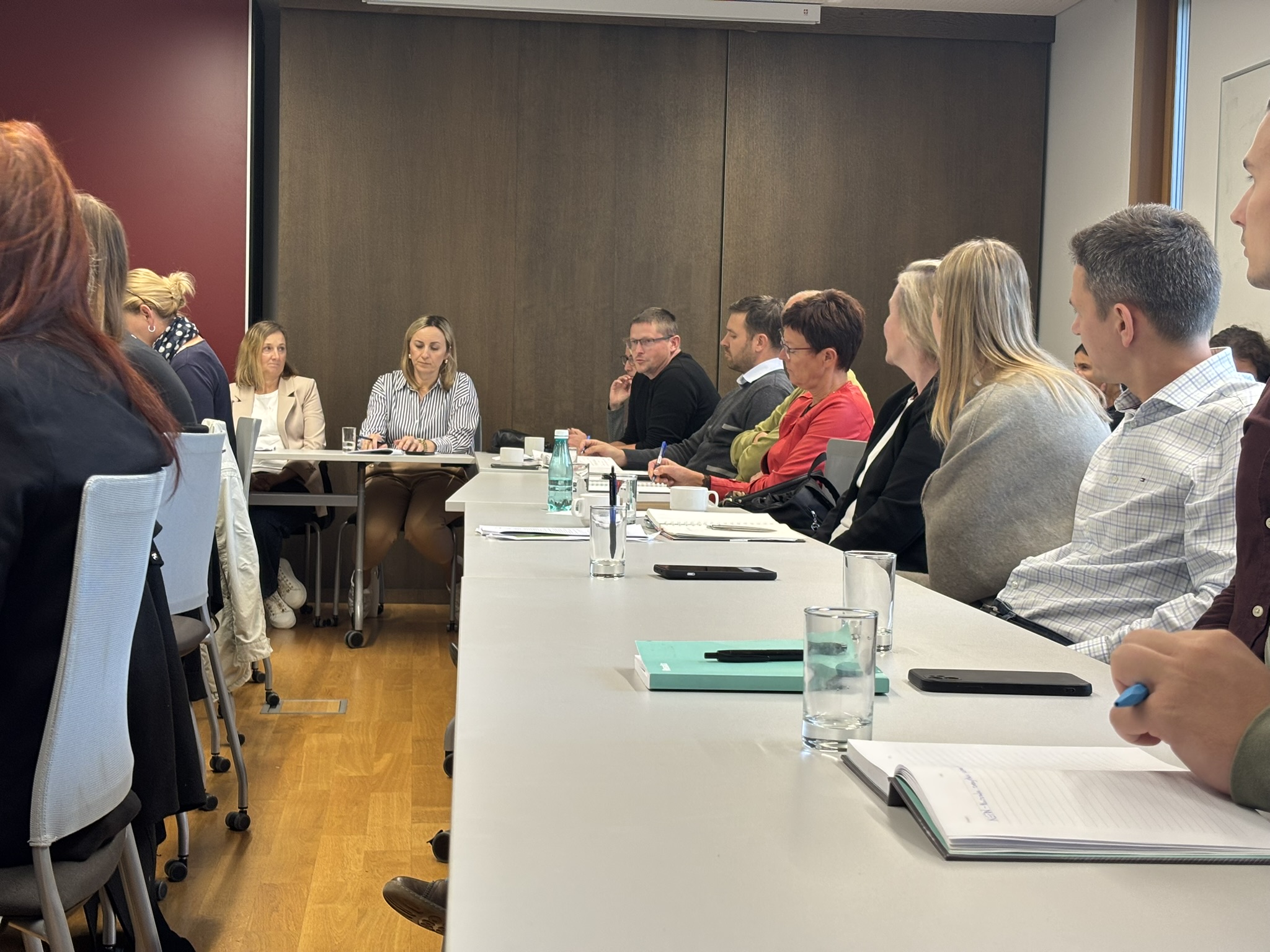
On Thursday, 16 October 2025, the 1st Forum on Integrated Building Renovation was successfully held within the LIFE GreenRenoV8 project. The event focused on establishing a long-term systemic framework for the integrated renovation of buildings in Slovenia, with particular emphasis on the simultaneous energy and seismic retrofit.

The forum brought together representatives of ministries, professional associations, research institutions, energy service providers and financial institutions, who discussed the key steps needed to ensure an effective and safe renovation of Slovenia’s building stock. The aim of the forum was to shed light on the current situation in both fields, identify major gaps and challenges, and highlight comparative approaches from abroad where similar issues have already been successfully addressed.

Throughout the forum, we had the opportunity to hear diverse perspectives, challenges and solutions related to comprehensive building renovations in Slovenia and internationally. These insights were shared by experts from research institutions, ministries and other key stakeholders working in the fields of energy and seismic renovation.

>>> Policy Brief with key takeaways [EN]

>>> Policy Brief with key takeaways [SI]

25. 08. 2025

Europe is on a mission: achieving a climate-neutral society by 2050. Central to this journey is the EU Renovation Wave strategy, aiming to double the annual building renovation rate by 2030. But with half of Europe located in seismic-prone regions, renovations need to do more than improve energy efficiency – they must also make buildings safer, stronger, and smarter.

This is where GreenRenoV8 steps in. Funded by the European Union with €2 million and running from October 2024 to September 2027, the project brings together nine partners from six countries, united in the goal of transforming European building renovation through innovation, sustainability, and resilience.

A holistic approach to renovation

GreenRenoV8 combines energy efficiency, seismic resilience, and environmental sustainability into a single, integrated approach. By leveraging the Energy Performance of Buildings Directive (EPBD), the project demonstrates how renovations can simultaneously reduce energy demand, strengthen structures, and minimize carbon emissions–helping Europe move toward zero emission buildings.

The project also embraces the Building Renovation Passport, a tool that guides building owners and professionals through sustainable renovation plans, considering energy, seismic safety, and life-cycle carbon impacts.

Innovation in action: pilot sites across Europe

GreenRenoV8 isn’t just theory–it’s practice. The project is developing pilot cases of the GreenRenoV8 Building Renovation Passport (BRP) in Austria, Belgium (Flanders), Greece, Italy, and Slovenia. In each country, three pilot cases will address multi-family buildings, public buildings, and social housing. These pilots will test and refine the methodology by evaluating key indicators such as time requirements, data availability, and the effectiveness of provided guidelines. This process will ensure that the GreenRenoV8 BRP is robust and ready for practical implementation.

Ambitious goals with measurable impact

GreenRenoV8 has set ambitious projected impacts over a five-year horizon, including 357 GWh in primary energy savings, 510 GWh of renewable energy generation, 41,079 tons of avoided CO₂eq emissions, and €9.1 billion in sustainable energy investments.

Beyond the numbers, the project empowers decision-makers with actionable tools for planning and financing renovations, addressing not just energy efficiency but also seismic vulnerability and embodied carbon.

Why it matters

By integrating energy, safety, and sustainability, GreenRenoV8 is redefining what building renovation can achieve. Its pilots are designed to provide replicable models at the national level across Europe, ensuring that the methodology can be scaled and adapted beyond the initial pilot countries.

From safer homes to lower carbon footprints and long-term energy savings, GreenRenoV8 shows that sustainable renovation is not just a technical challenge–it’s a pathway to a more resilient and climate-friendly Europe.

Project duration: October 2024 – September 2027

Funding: LIFE Programme of the European Union, Grant Agreement No. 101167626

Learn more: GreenRenoV8 Official Website | EU LIFE Project Page