Nazaj na seznam
05. 06. 2026

Achieving the continent’s climate and energy goals. Buildings are responsible for a significant share of energy consumption and greenhouse gas emissions, while many older structures also face challenges related to ageing materials, outdated systems and, in some regions, seismic vulnerability. Developing effective renovation strategies therefore requires more than analysing individual buildings. It requires a broader understanding of how building stocks are distributed, how they were constructed and how they perform across different countries and climatic conditions.

To support this objective, GreenRenoV8 has developed a harmonised building archetype framework covering five pilot countries: Greece, Italy, Belgium, Austria and Slovenia. Instead of attempting to model every building individually, the project created representative archetypes that reflect the most common characteristics of national building stocks while remaining suitable for large-scale analysis and renovation planning.

Creating a Common Language for Europe’s Buildings

One of the main challenges when analysing buildings across Europe is the diversity of construction traditions, regulations and available data. Buildings serving the same purpose can differ significantly from one country to another in terms of materials, construction techniques, thermal performance and structural systems.

To address this complexity, GreenRenoV8 established a common classification framework based on three key dimensions: the building sector, the building subsector and the construction period. This approach allowed the project to organise residential and non-residential buildings into comparable categories while still accounting for the historical and regulatory differences that shape national building stocks.

While building functions remained consistent across countries, age classifications were adapted to reflect national construction histories and data availability. This balance between harmonisation and flexibility ensured that the framework remained both comparable at European level and meaningful at local level.

Turning Data into Representative Archetypes

Once the building categories had been defined, the project gathered and organised information through a harmonised data collection framework. The objective was to capture not only the physical characteristics of buildings but also the factors that influence their energy performance and renovation potential.

The framework included information on building size, floor area, occupancy and distribution, alongside geometric characteristics such as building volume, height and external surfaces. Energy-related information covered heating, cooling, ventilation and domestic hot water systems, while thermal performance data described the behaviour of building envelopes and their components.

Particular attention was given to materials. Walls, roofs, floors and windows were characterised not only according to their thermal properties but also according to their material composition, creating a foundation for future environmental assessments and lifecycle analyses.

The result was a set of approximately thirty representative archetypes for each pilot country. This level of aggregation provides enough detail to capture meaningful differences between buildings while keeping simulation and modelling activities manageable.

Combining Energy Performance with Seismic Resilience

A key innovation of the GreenRenoV8 framework is its integration of both energy and seismic perspectives. Renovation decisions rarely affect a single aspect of a building. Improvements to insulation, heating systems or building envelopes often interact with structural performance and long-term resilience.

For this reason, the project incorporated seismic characterisation into the archetype development process. National hazard maps, regulatory frameworks and seismic zoning methodologies were used to ensure that structural considerations were reflected alongside energy-related parameters.

This approach is particularly important in countries such as Greece, Italy and Slovenia, where earthquake exposure remains a significant concern. By combining energy efficiency and structural resilience within the same framework, GreenRenoV8 supports a more comprehensive approach to renovation planning.

What We Learned from Comparing Five Countries

Developing harmonised archetypes across multiple countries also revealed several important lessons. One of the most significant challenges was the fragmentation of building data. No single source contained all the information required to characterise national building stocks. Instead, data had to be gathered from a variety of sources, including statistical databases, energy performance certificates, construction typologies and regulatory documents.

Another challenge concerned comparability. Concepts such as climate zones, energy classes and construction periods are often defined differently across countries. Rather than forcing direct equivalence, the project focused on harmonising the methodology itself while preserving national specificities.

This approach demonstrated that meaningful cross-country comparisons are possible without oversimplifying the diversity that characterises Europe’s buildings.

Figure 1 illustrates the distribution of building categories and age classes selected across the five pilot countries for the development of representative archetypes. The comparison highlights both common patterns and national differences within the European building stock. Residential building typologies appear consistently across countries and construction periods, reflecting their prevalence and the greater availability of data. Greater variability can be observed among certain non-residential categories and more recent construction periods, where national construction practices and data availability differ more significantly.
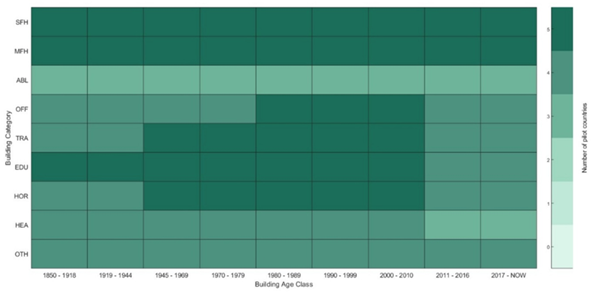
Figure 1. Cross-country selection of building categories and building age classes for the development of representative archetypes (developed by Alessandro Russo).

Supporting the Next Generation of Renovation Strategies

The archetype framework developed in GreenRenoV8 represents much more than a technical database. It provides a structured foundation for future renovation modelling, lifecycle environmental assessments and the development of renovation passports.

By bringing together information on building geometry, materials, technical systems, energy performance and seismic characteristics, the framework offers a more complete picture of Europe’s existing building stock. At the same time, it highlights the importance of accessible and interoperable building data for supporting evidence-based renovation strategies.

As Europe continues its transition towards a more sustainable and resilient built environment, methodologies such as the one developed in GreenRenoV8 will play an important role in helping decision-makers identify renovation pathways that are both effective and adaptable to local conditions.

Check out the full deliverable D2.1 Sustainable Renovation-Supporting Building Archetypes.

Discover more project outputs in the Resources section of our website.
23. 02. 2026

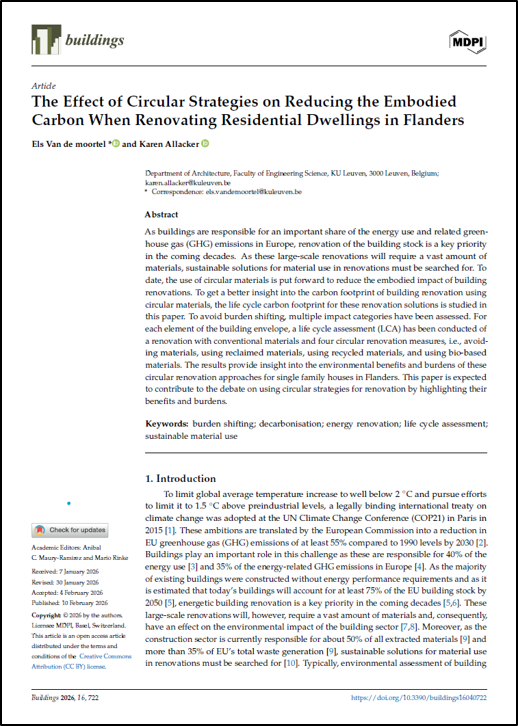
Recently, a new peer-reviewed paper titled The Effect of Circular Strategies on Reducing the Embodied Carbon When Renovating Residential Dwellings in Flanders has been published in the journal Buildings. The article investigates how circular economy strategies can reduce the embodied carbon impact of residential building renovations. The research responds to the growing recognition that while energy renovations lower operational emissions, they also require large quantities of materials, creating a significant embodied carbon “spike” at the moment of renovation.

Methods

The study applies a comprehensive life cycle assessment (LCA) to compare conventional renovation practices with four circular renovation approaches: avoiding material use, using reclaimed materials, using recycled materials, and using bio-based materials. These strategies were evaluated across key building envelope elements – including floors, external walls, pitched roofs, and windows – based on a representative single-family house in Flanders. The analysis considers both short-term (five-year) and long-term (60-year) impacts to reflect policy targets for 2030 and long-term climate neutrality goals.

Results

The results show that circular renovation strategies can significantly reduce embodied carbon compared to conventional approaches. In particular, reclaiming materials and using bio-based alternatives often led to the largest reductions in embodied emissions, while also contributing to substantial whole-life carbon savings over the building’s lifetime. However, the study also highlights important trade-offs. For example, some strategies that minimise material use may result in higher operational emissions if thermal performance is compromised, while bio-based materials may perform well in terms of carbon but have higher impacts in other environmental categories such as land use.

Relevance to the GreenRenoV8 Project

The findings of this paper are highly relevant to the objectives of the LIFE GreenRenoV8 project, which supports the development of sustainable and cost-effective renovation strategies across Europe. The study highlights that using circular materials, such as reclaimed, recycled, or bio-based products, can significantly reduce the environmental impact of building renovations. This is highly relevant to the GreenRenoV8 project, which also aims to consider for the impact of both operational and embodied emissions across different renovation pathways. By providing robust evidence of the carbon-reduction potential of circular renovation strategies, the publication further strengthens the project’s mission to support policymakers in designing National Renovation Plans aligned with the EU’s climate-neutrality goals.

22. 01. 2026

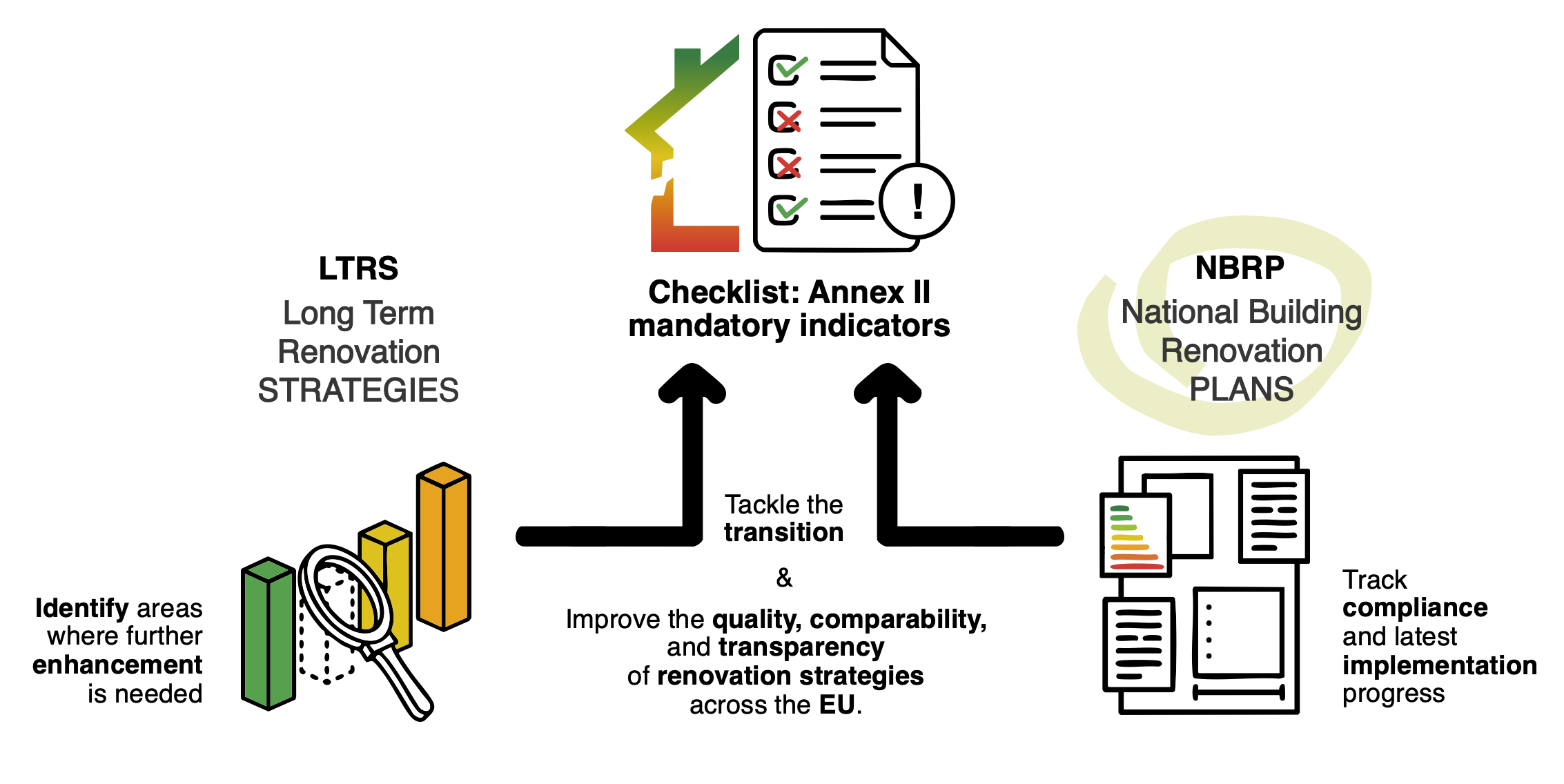
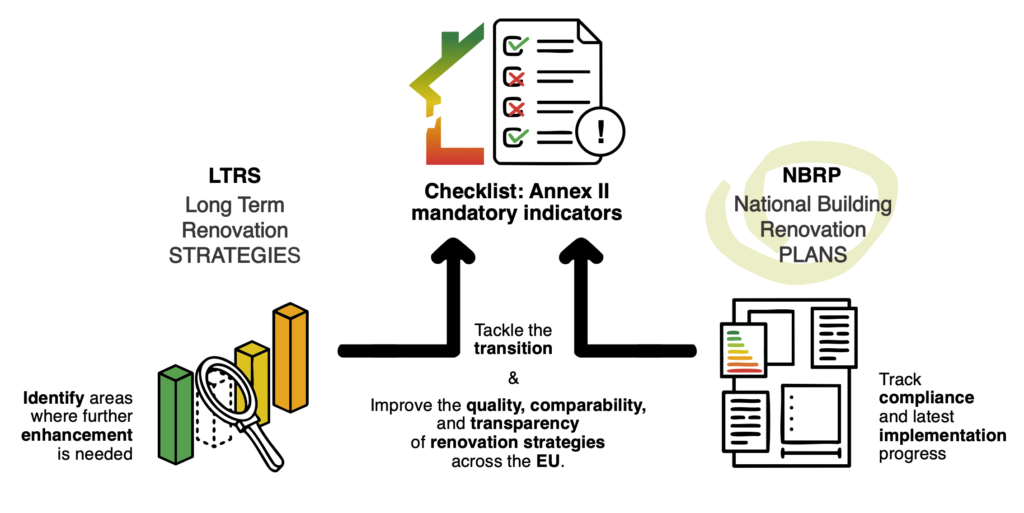
The European Commission has recently published the draft National Building Renovation Plans (NBRPs) submitted by the EU Member States under the revised Energy Performance of Buildings Directive (EPBD). These plans are a cornerstone of the EU Renovation Wave, intended to set out national pathways, targets, policies, and financing frameworks to achieve a fully decarbonised building stock by 2050.

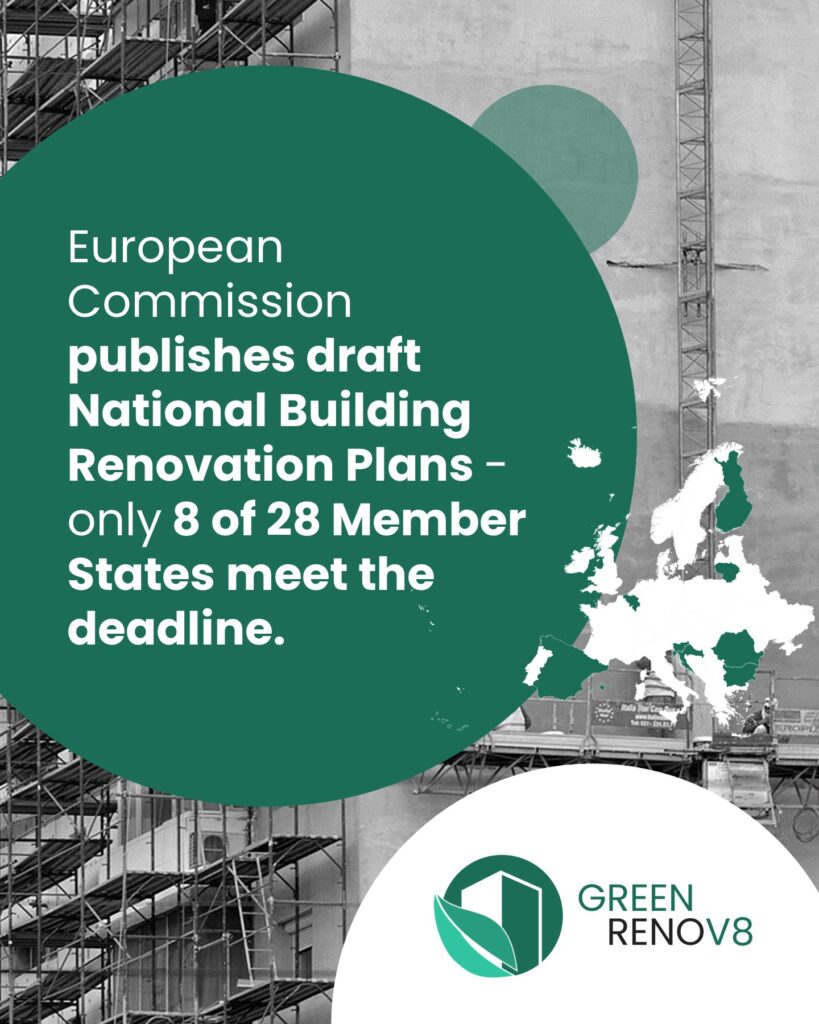
While Member States were required to submit their draft plans by 31 December 2025, only 8 out of 28 met the deadline. The low compliance rate highlights the significant challenges national authorities face in translating the new EPBD requirements into coherent, evidence-based and investment-ready renovation strategies. Over the next six months, the European Commission will assess and revise the submitted drafts, issuing recommendations to support Member States in finalising their National Building Renovation Plans.

This development is closely linked to the work of Work Package 5 (WP5) in the LIFE GreenRenoV8 project, which focuses on National Building Renovation Plans. WP5 addresses aspects such as stakeholder consultation, the structuring of renovation pathways, and the development of guidelines and pilot renovation plans in selected Member States. The timing of the Commission’s review process therefore coincides with ongoing project activities that examine how renovation plans can be prepared and improved in line with EPBD requirements.

In this context, GreenRenoV8 provides a structured framework for analysing and discussing national approaches to renovation planning, contributing to a better understanding of challenges and options related to the preparation of National Building Renovation Plans.

14. 01. 2026

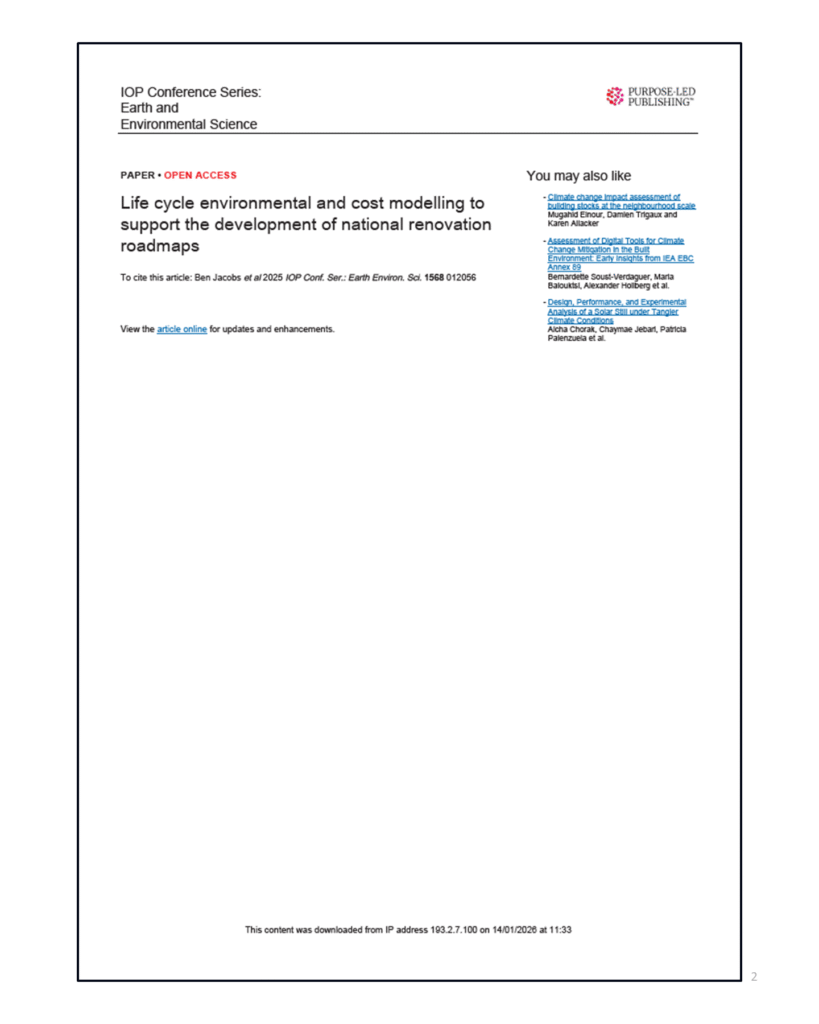
Recently a new peer-reviewed paper titled “Life cycle environmental and cost modelling to support the development of national renovation roadmaps” has been published in the IOP Conference Series: Earth and Environmental Science.

The article presents the methodological framework developed within the LIFE GreenRenoV8 project, which aims to support EU Member States in implementing the revised Energy Performance of Buildings Directive (EPBD). The approach combines life cycle environmental assessment (LCA), life cycle costing (LCC) and building stock modelling to identify cost-effective and sustainable renovation strategies at both building and national levels.

Focusing on five pilot countries – Austria, Belgium (Flanders), Greece, Italy and Slovenia – the study uses representative building archetypes to assess renovation pathways that integrate energy efficiency, carbon reduction and seismic resilience. By scaling building-level results to national building stocks, the methodology provides robust evidence to prioritise renovation measures and support the development of National Renovation Plans and Building Renovation Passports.

The publication highlights how integrated environmental and economic modelling can help policymakers design renovation strategies that maximise climate impact reduction while remaining financially viable, contributing to the EU’s goal of a climate-neutral building stock by 2050.

09. 12. 2025

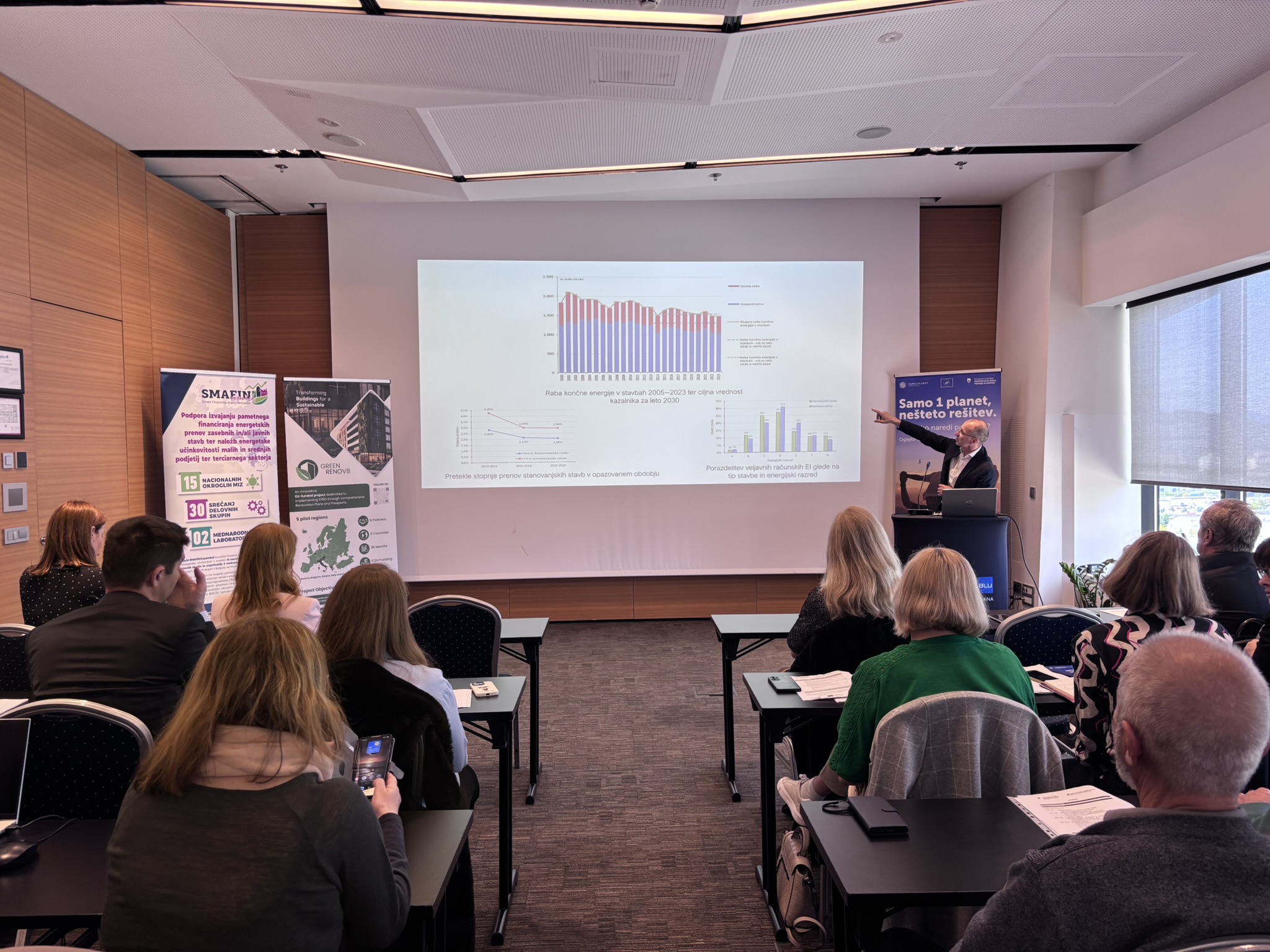
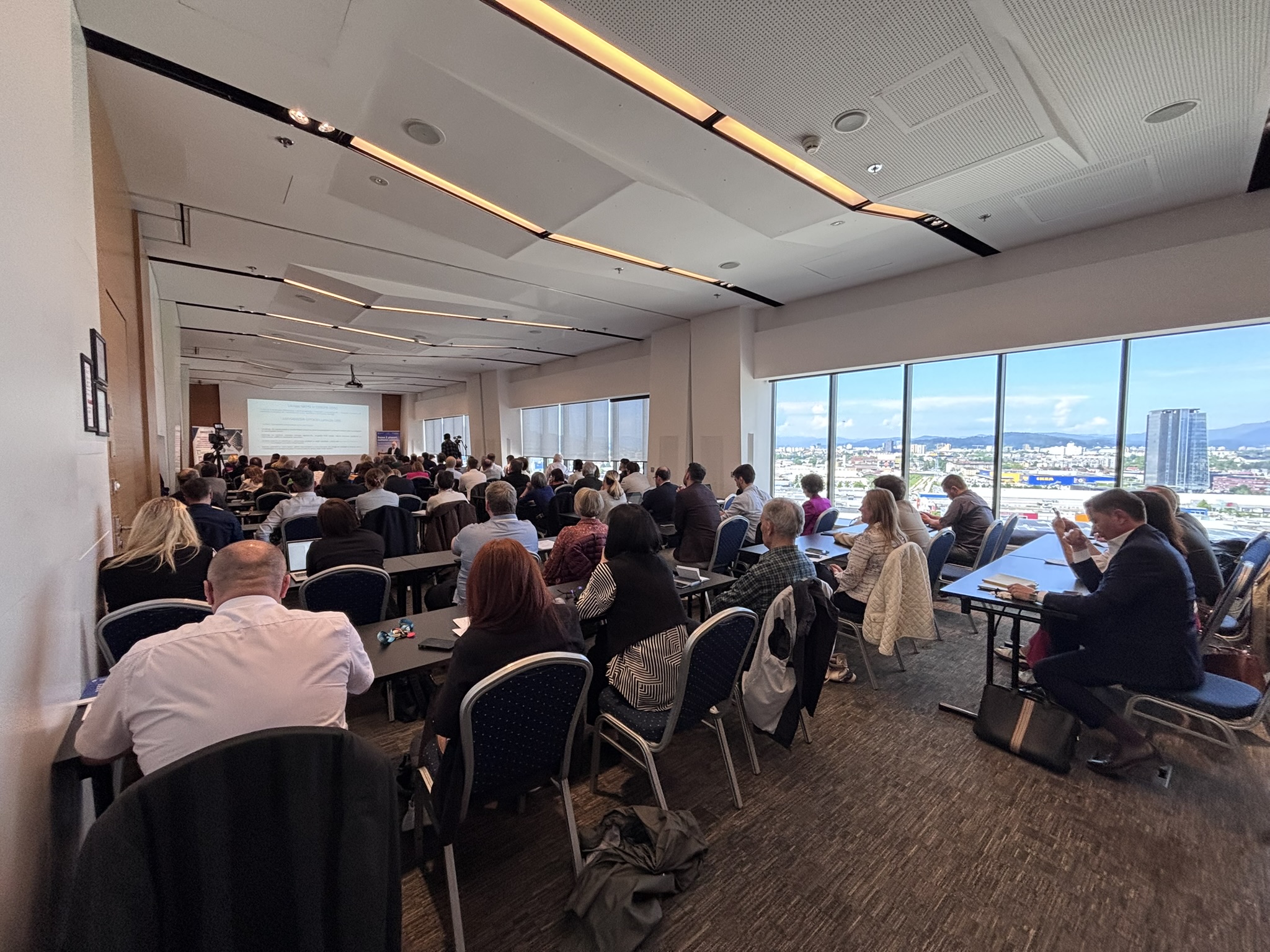
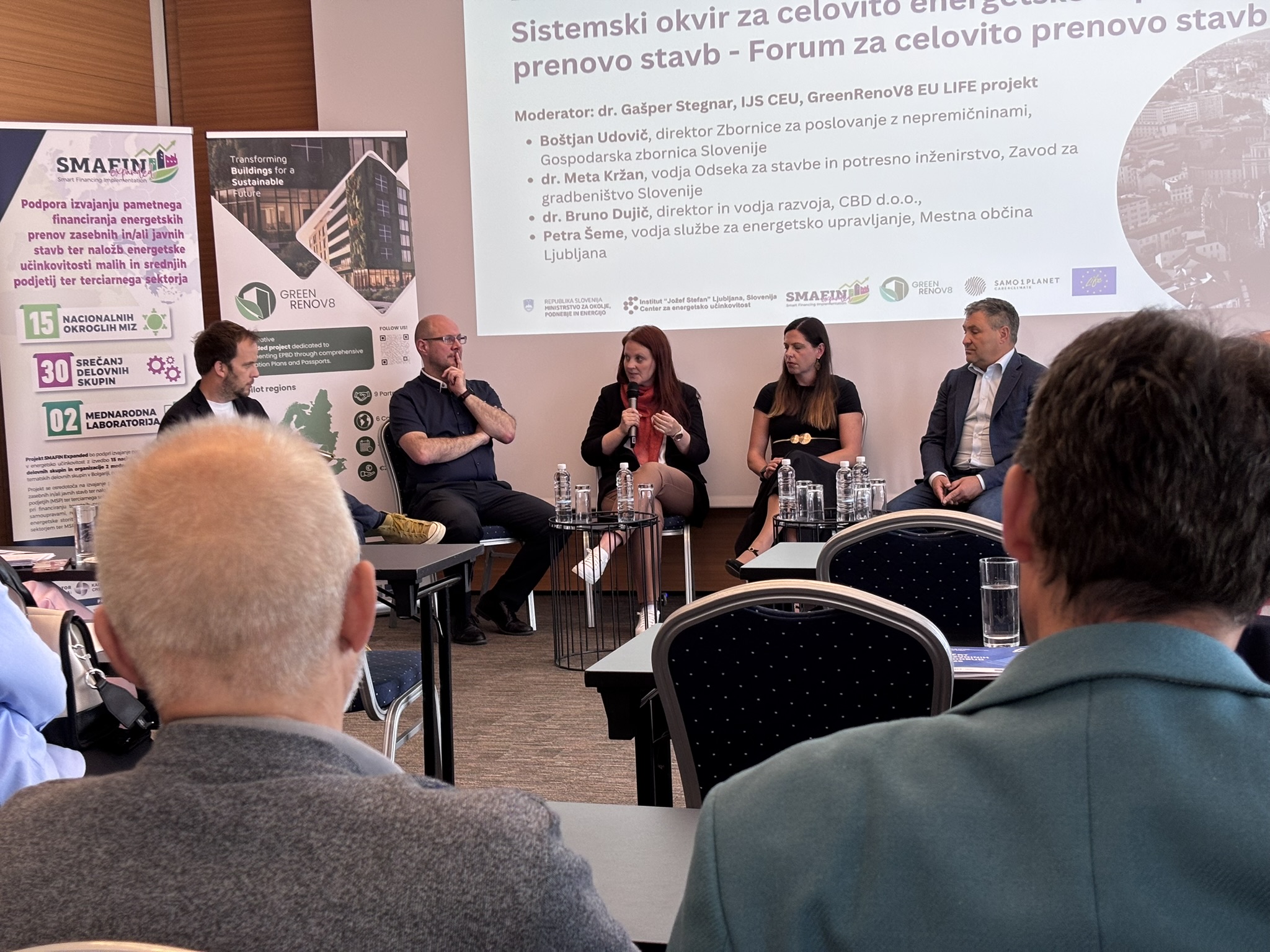
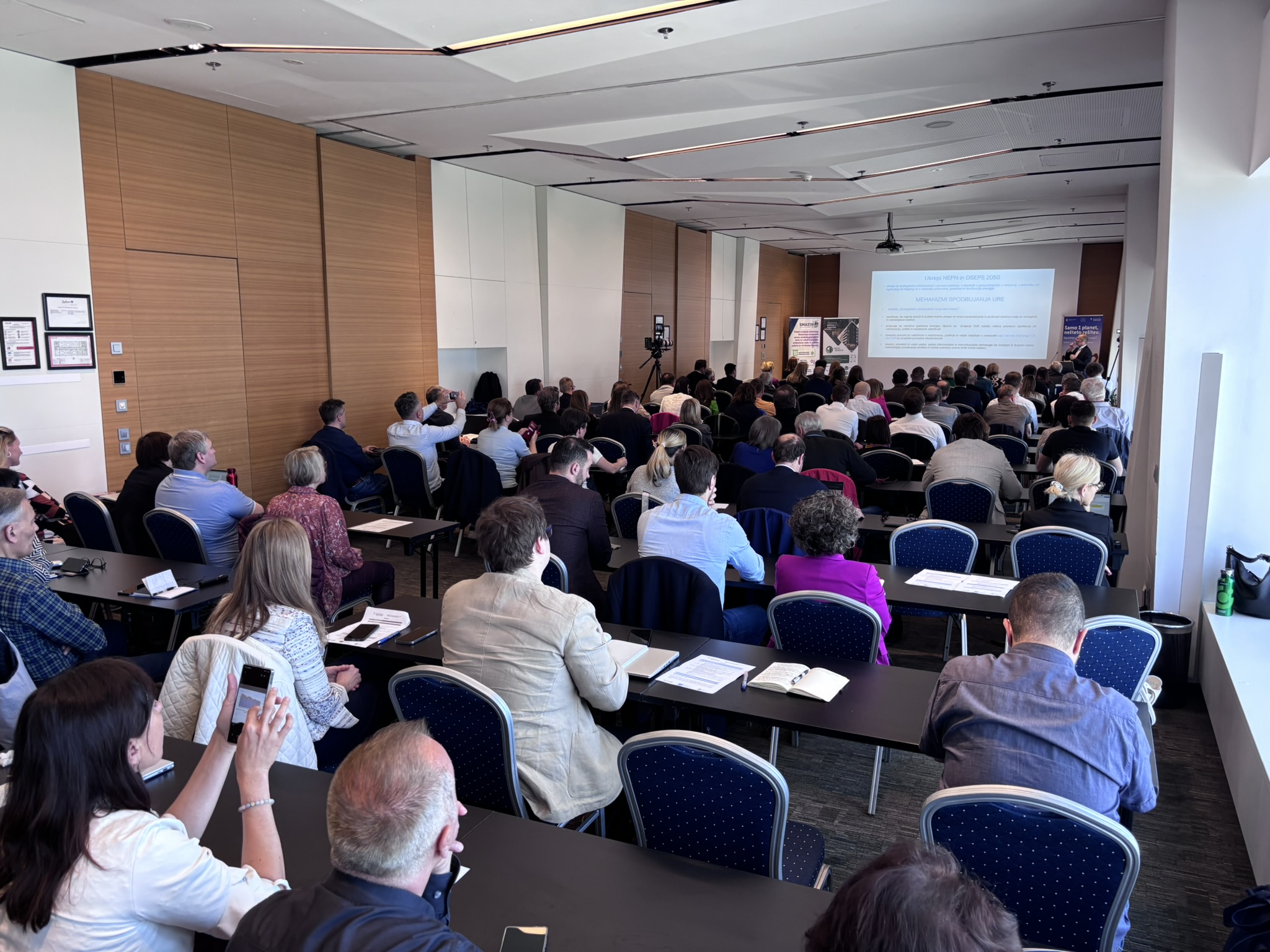
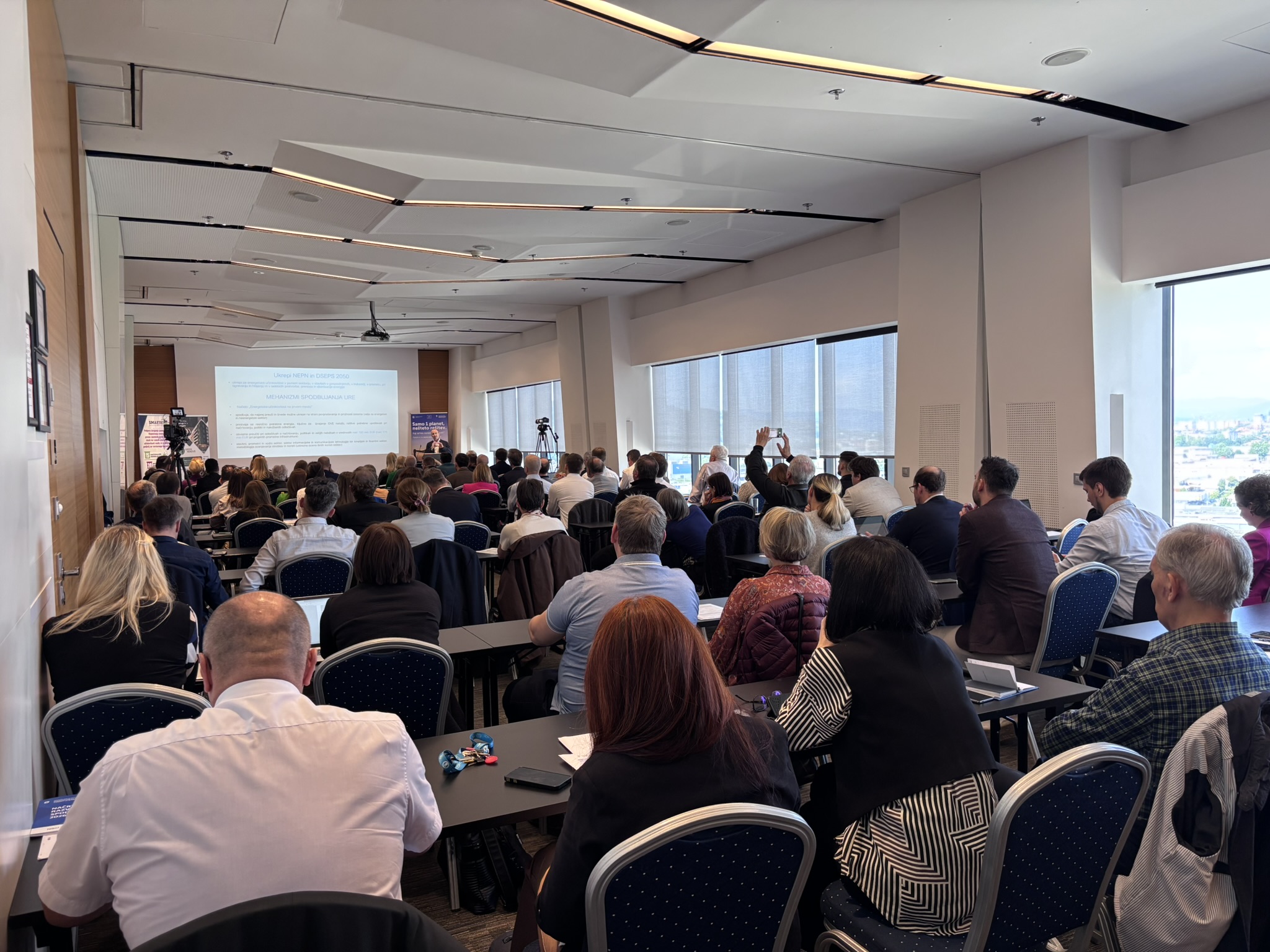
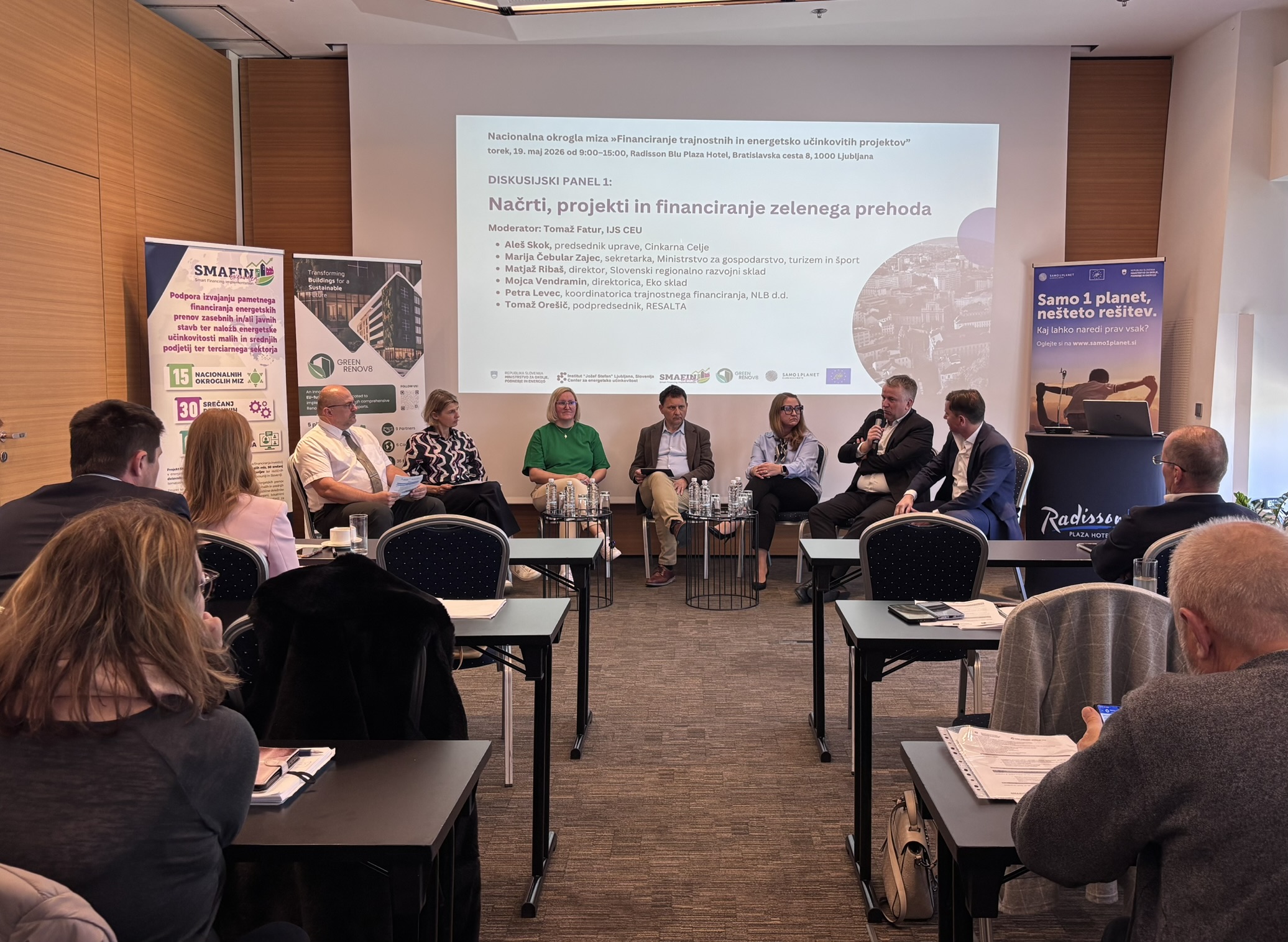
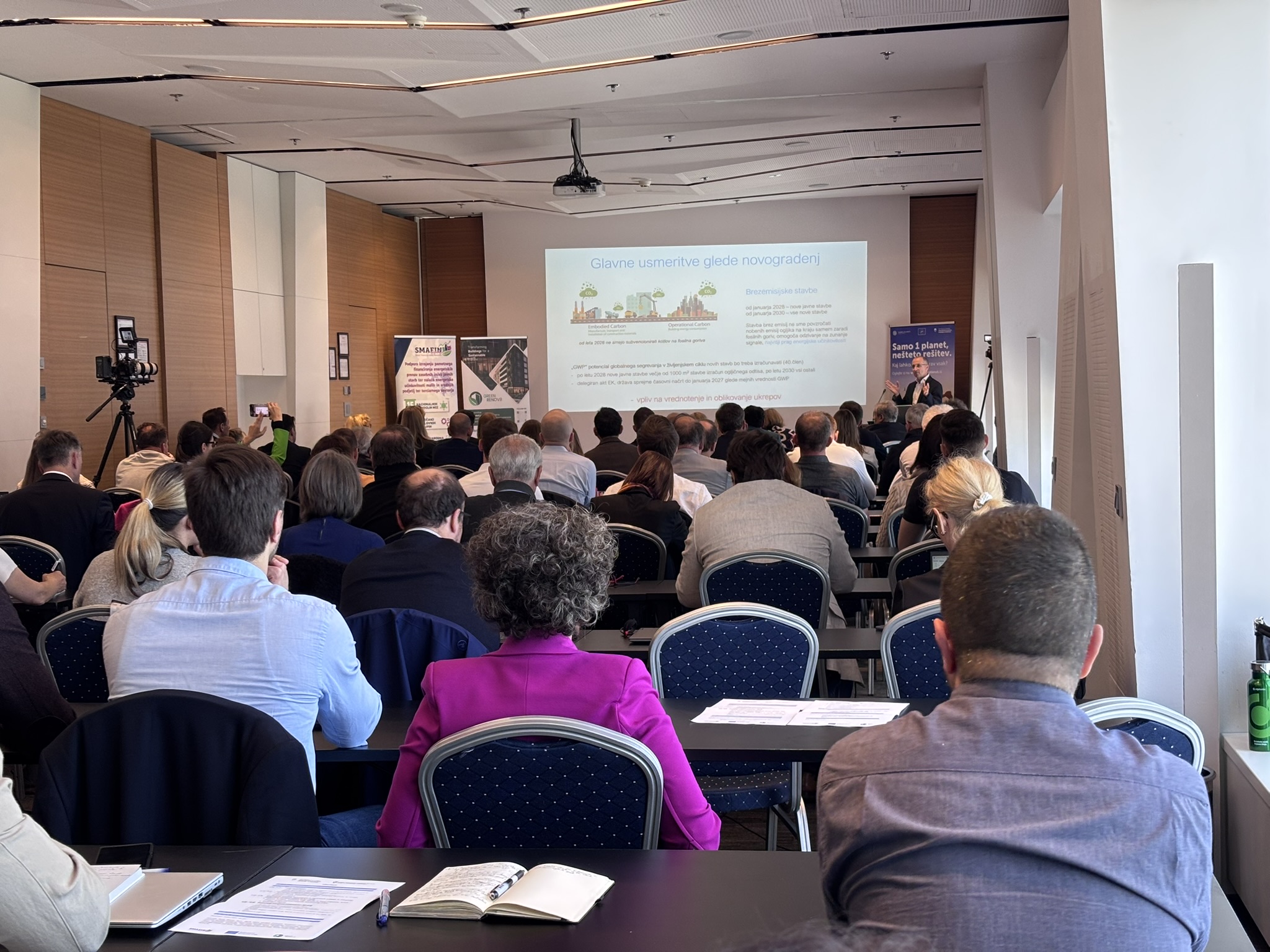
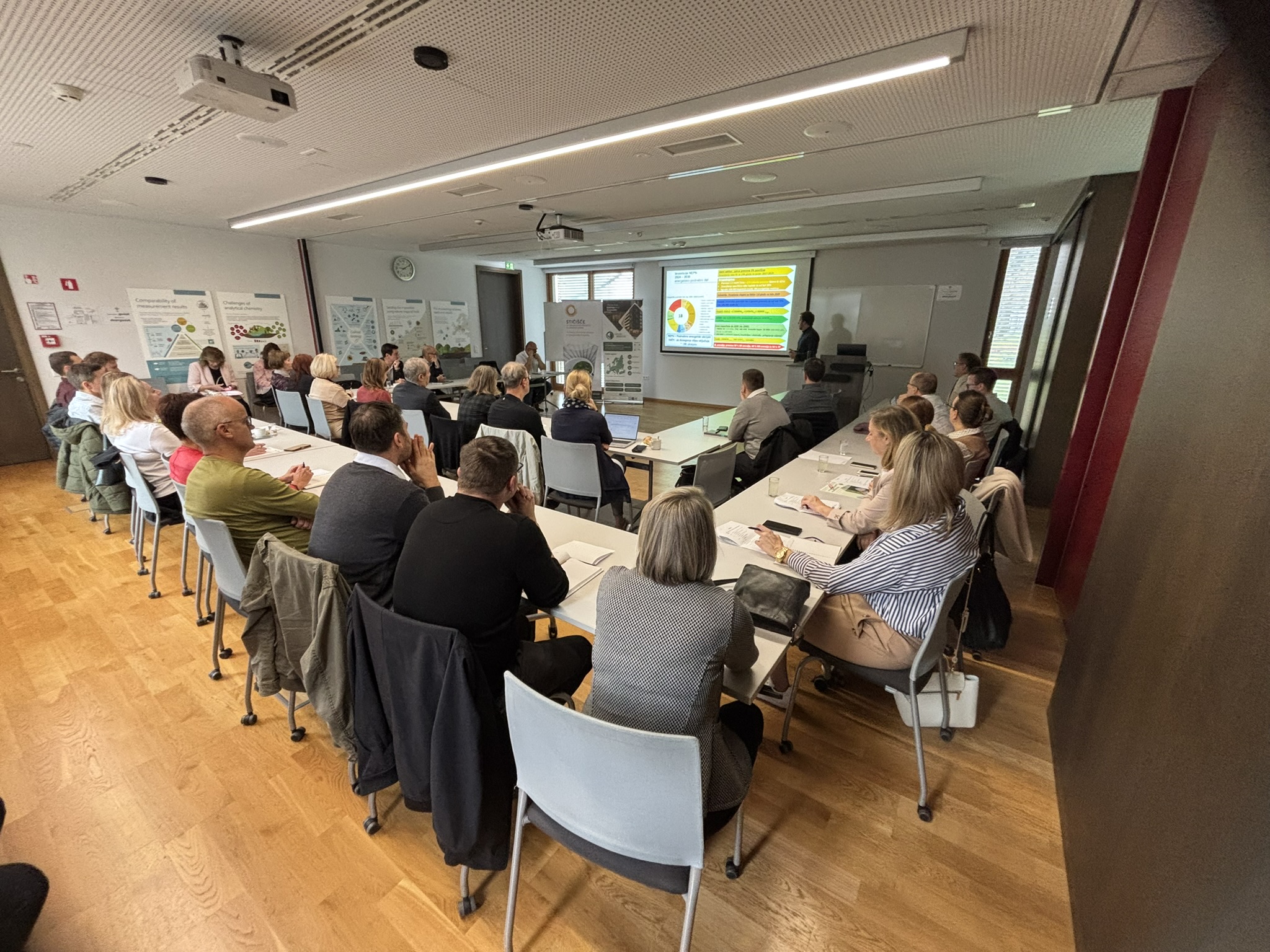
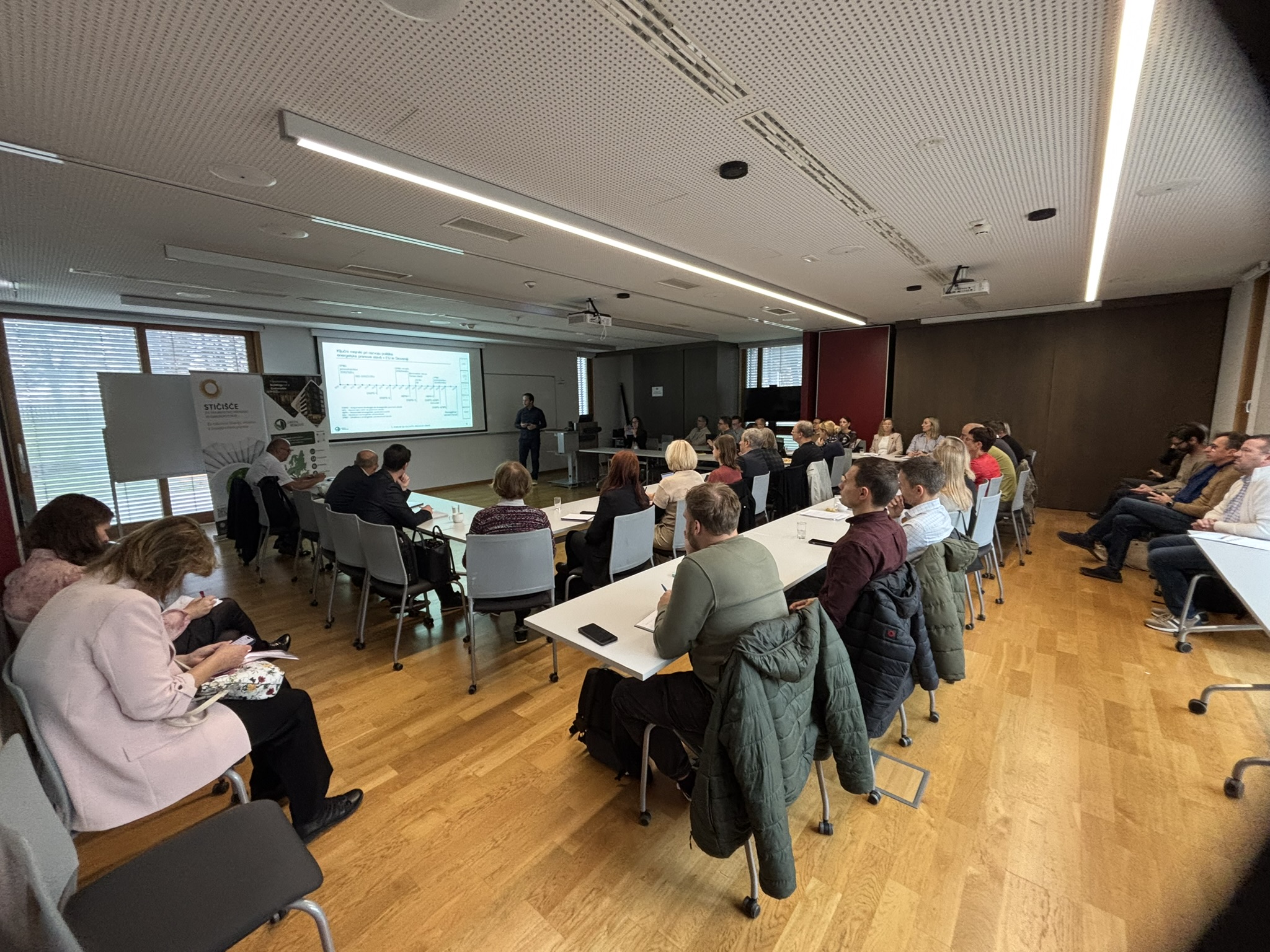
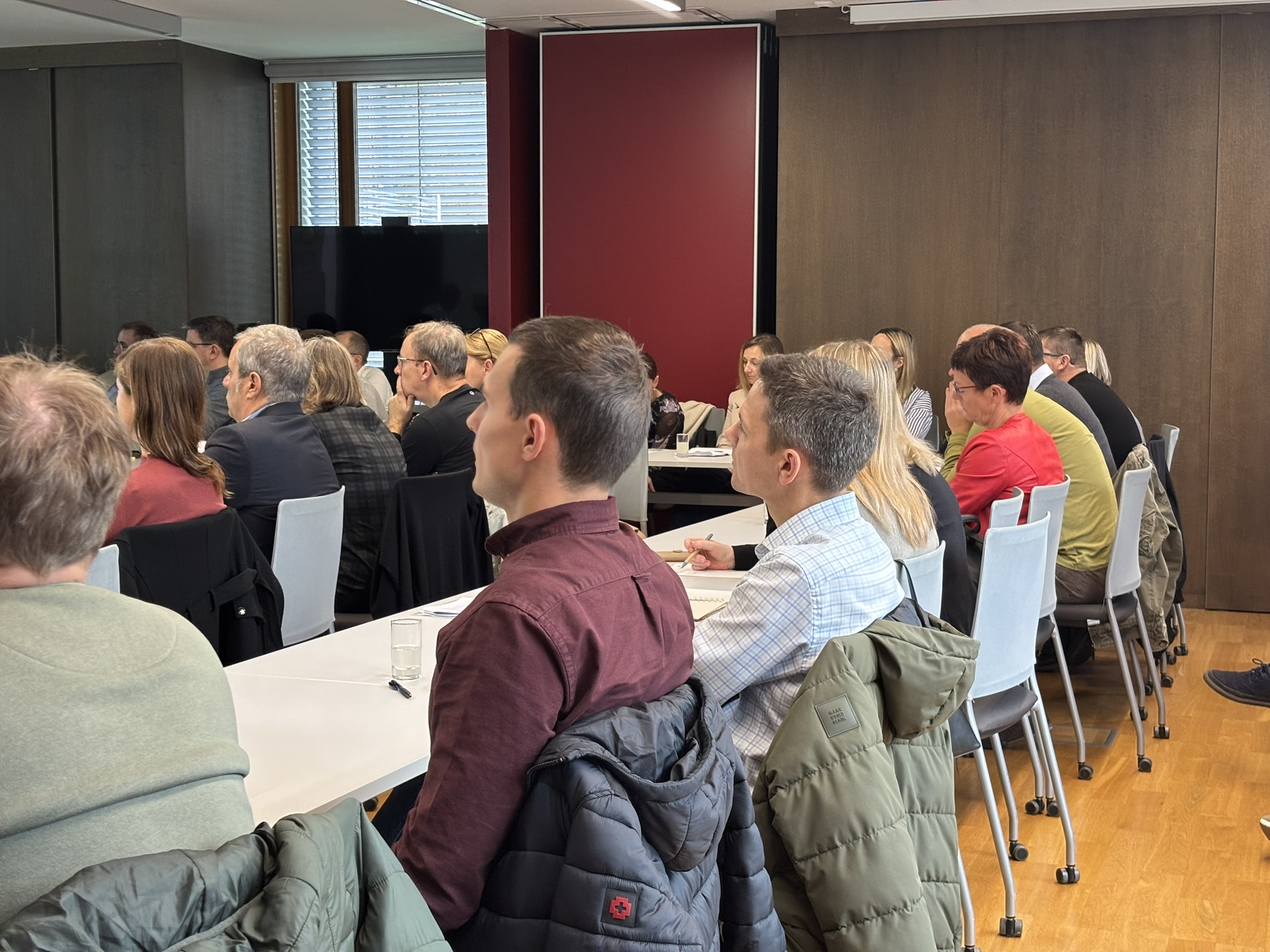
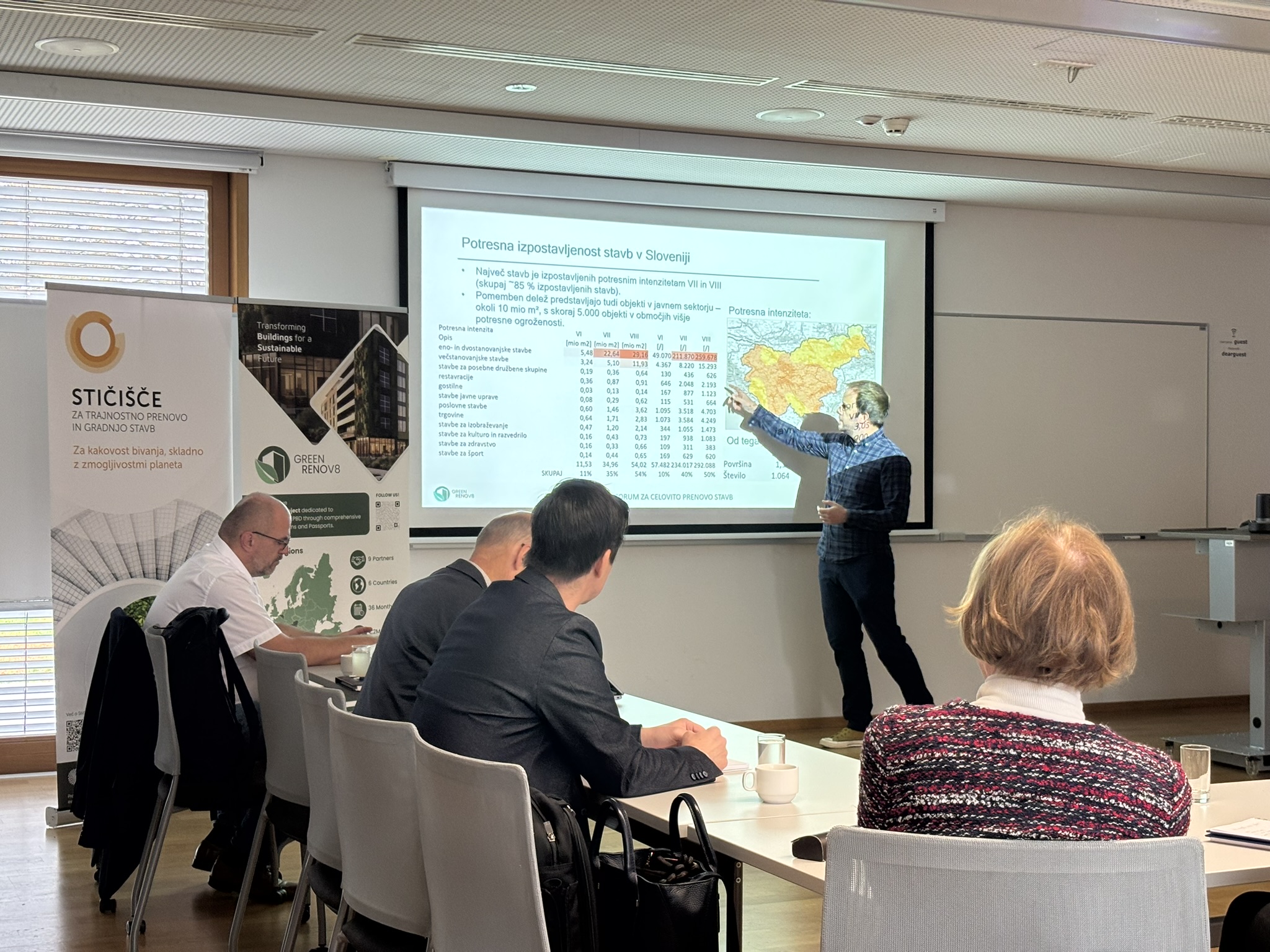
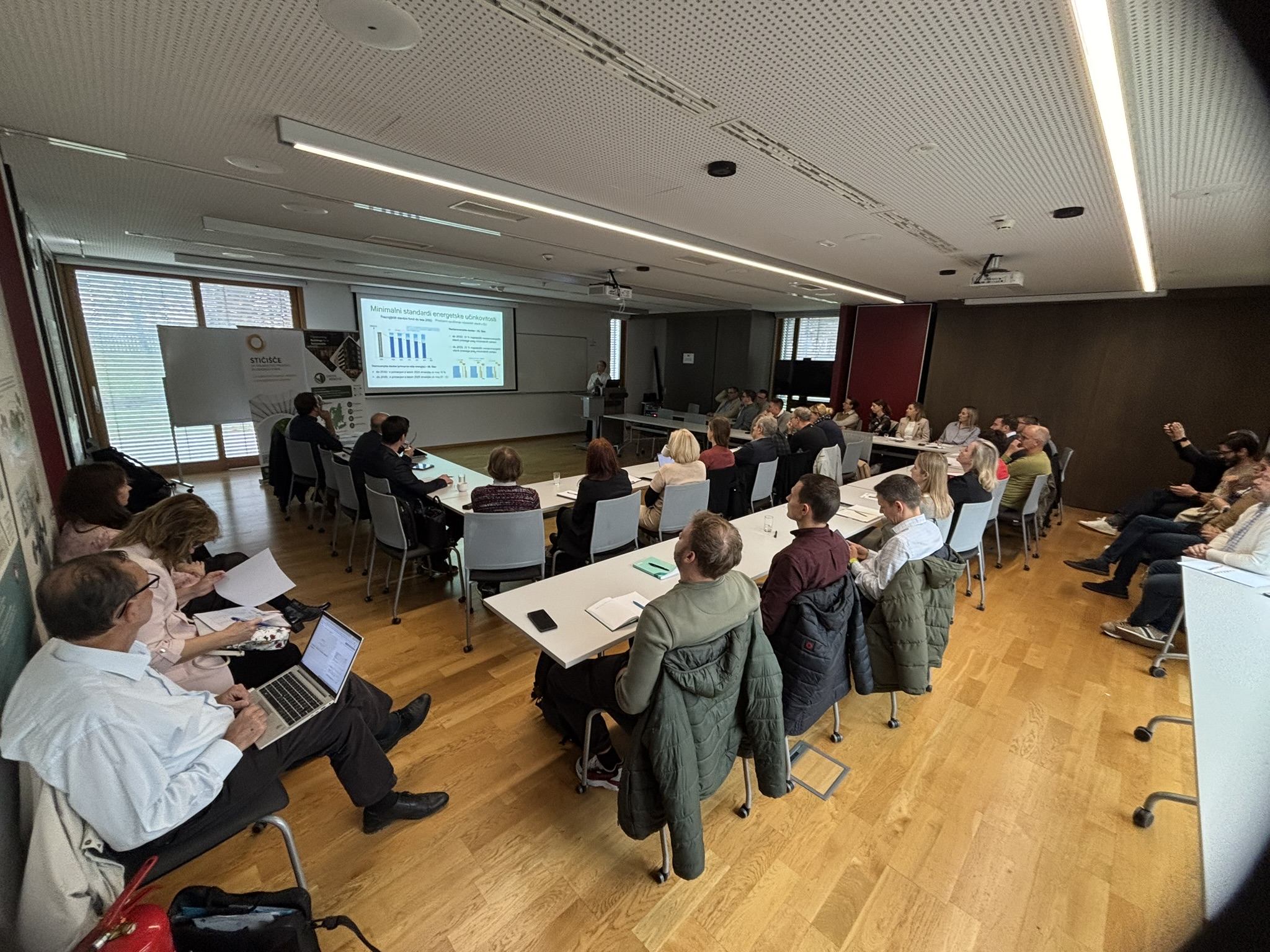
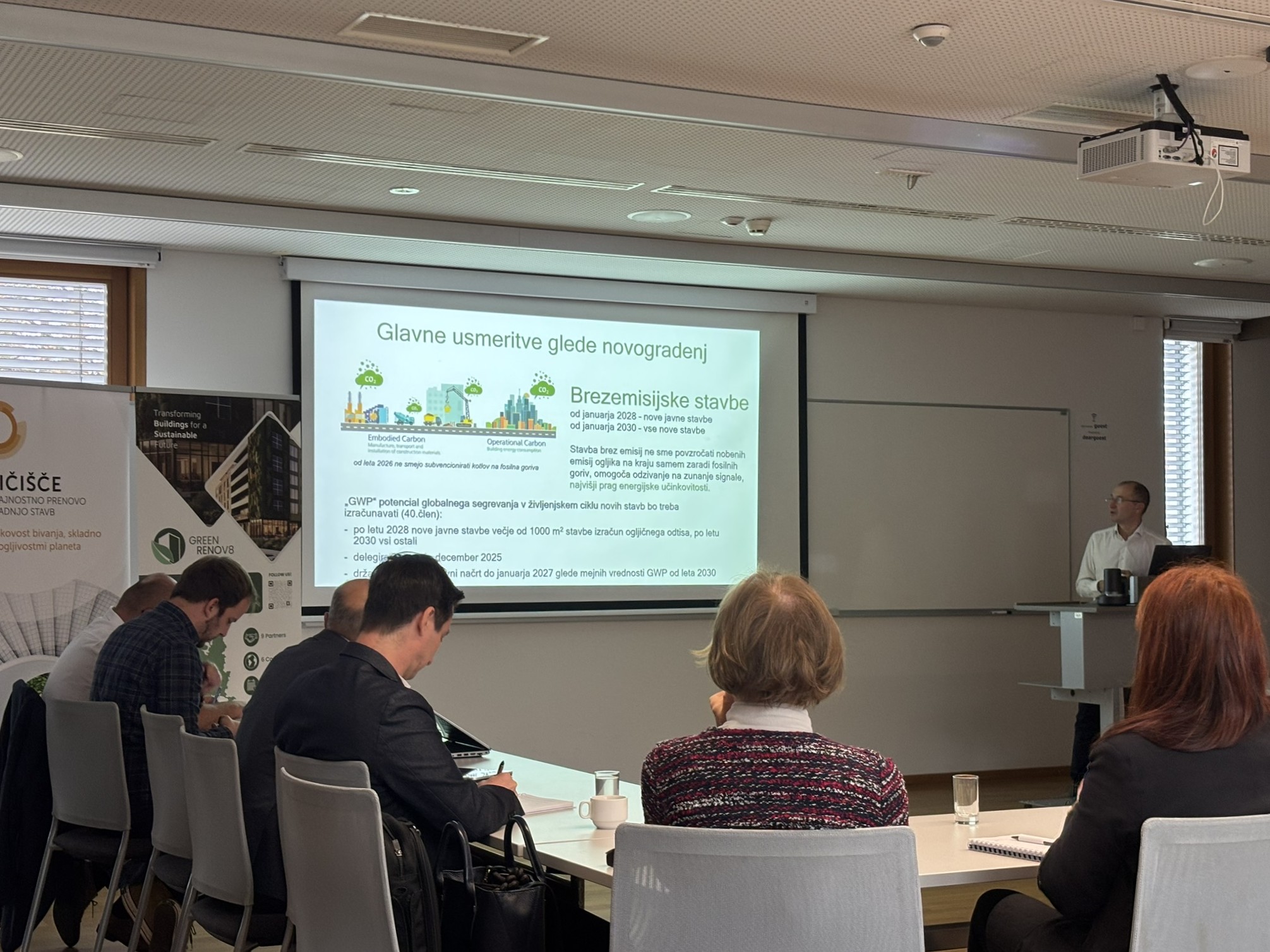
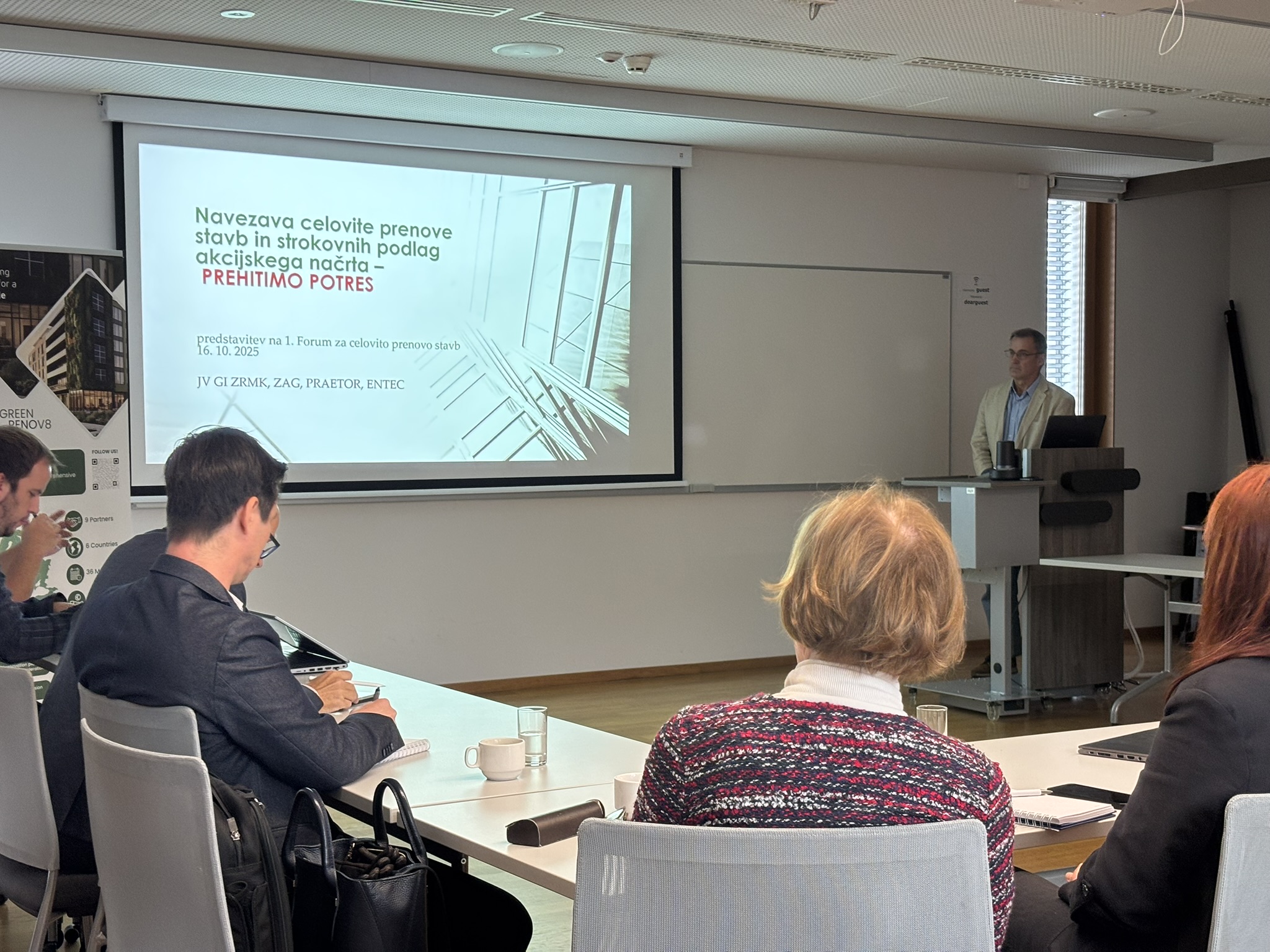
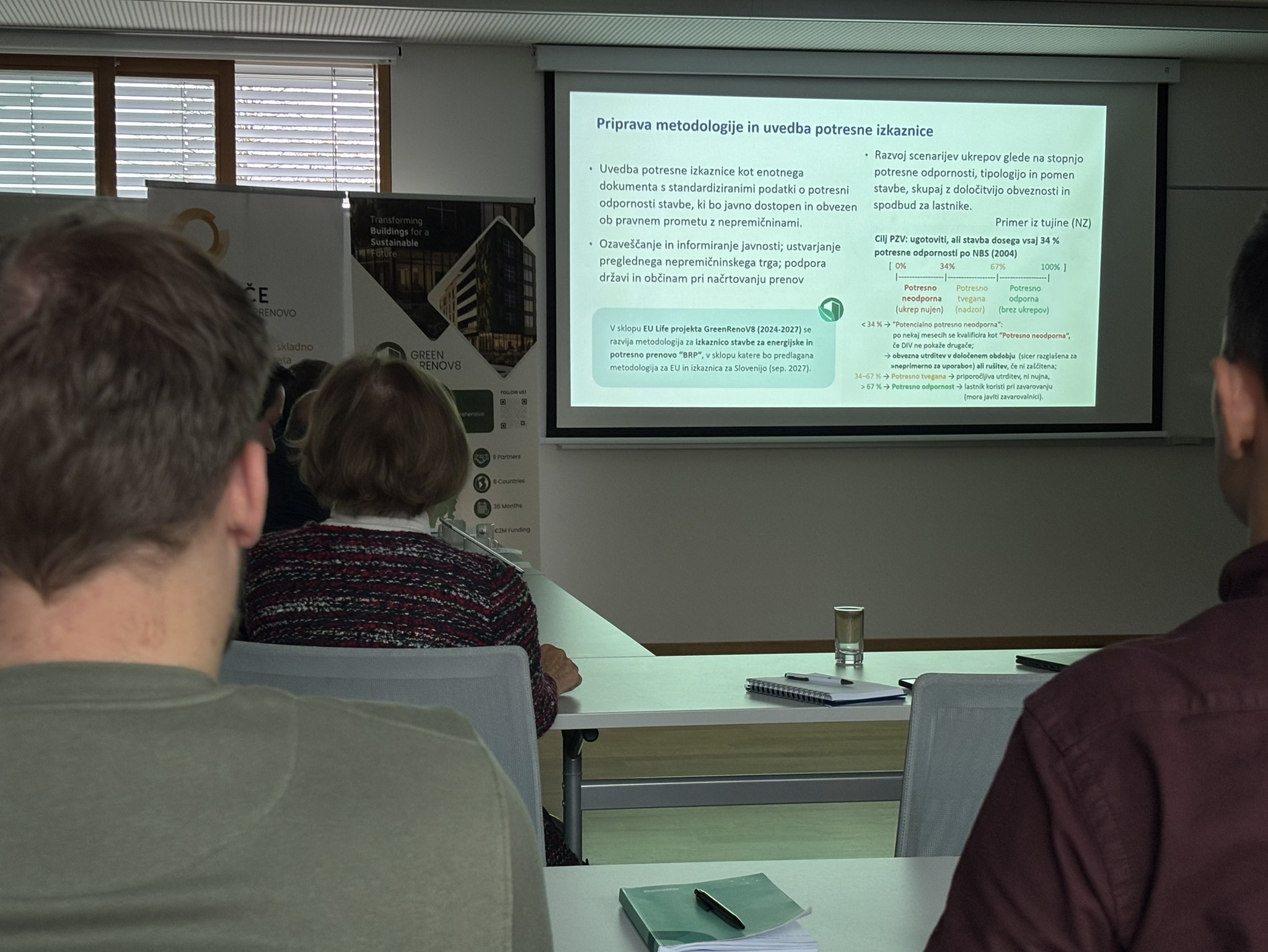
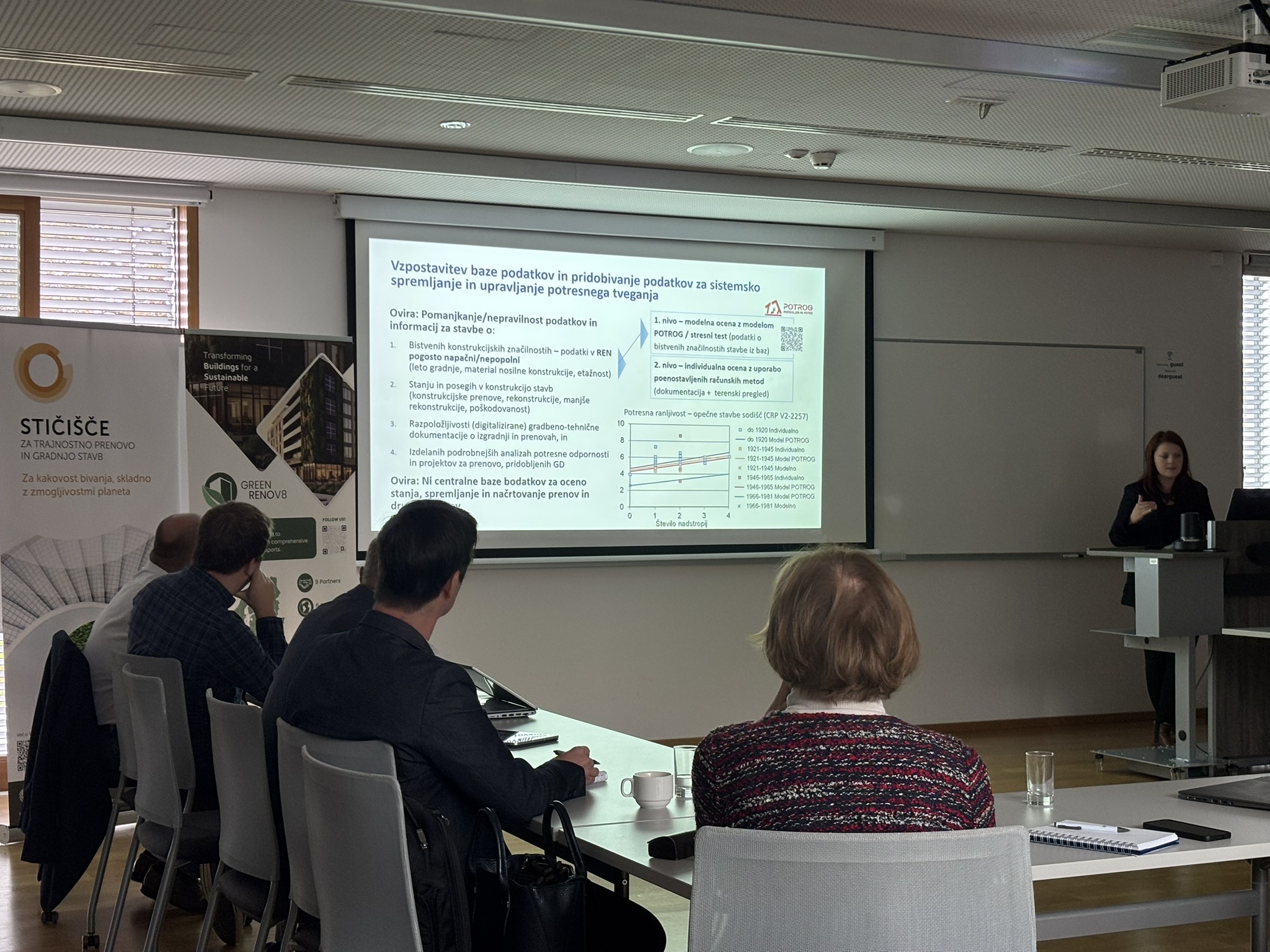
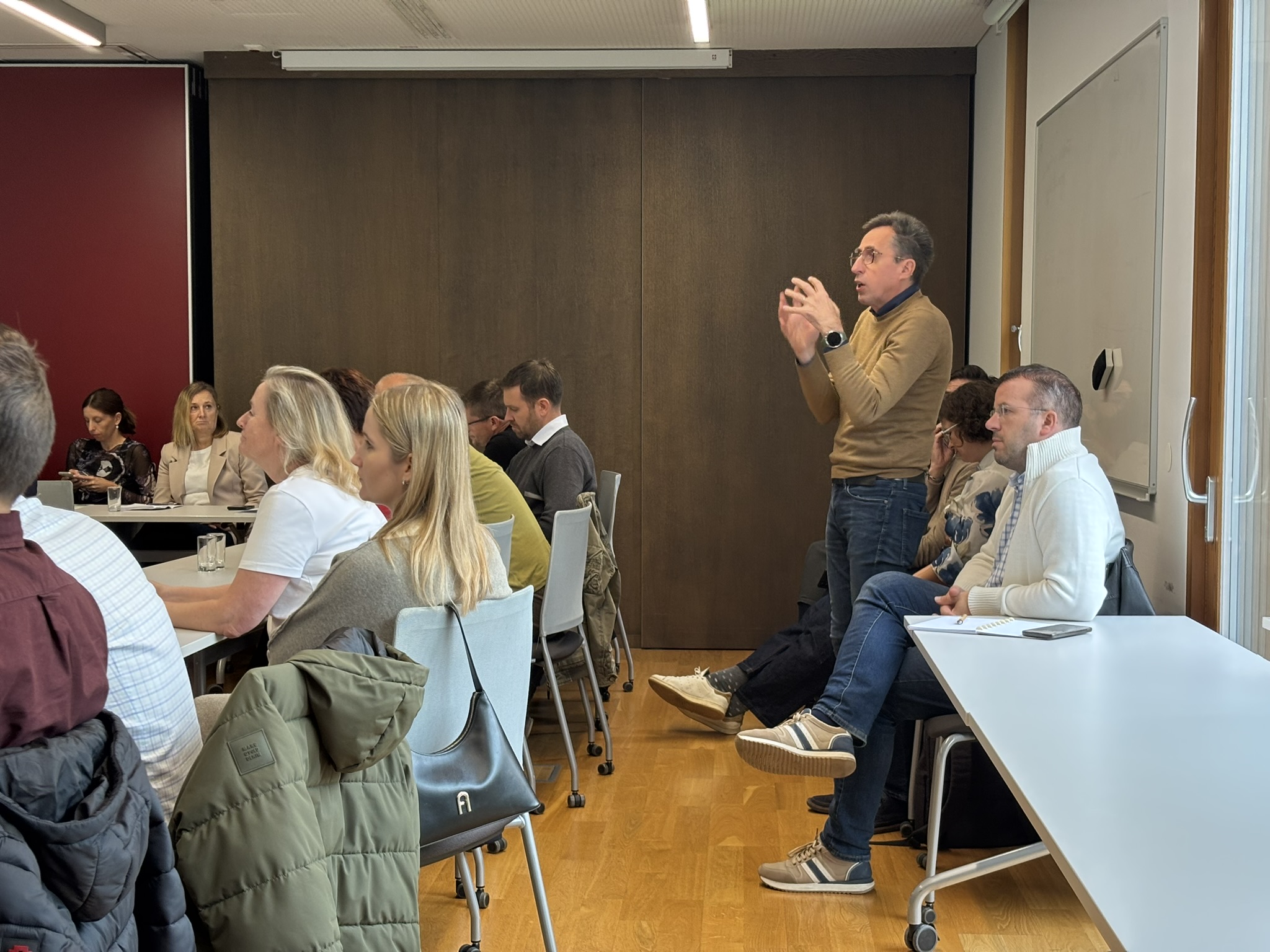
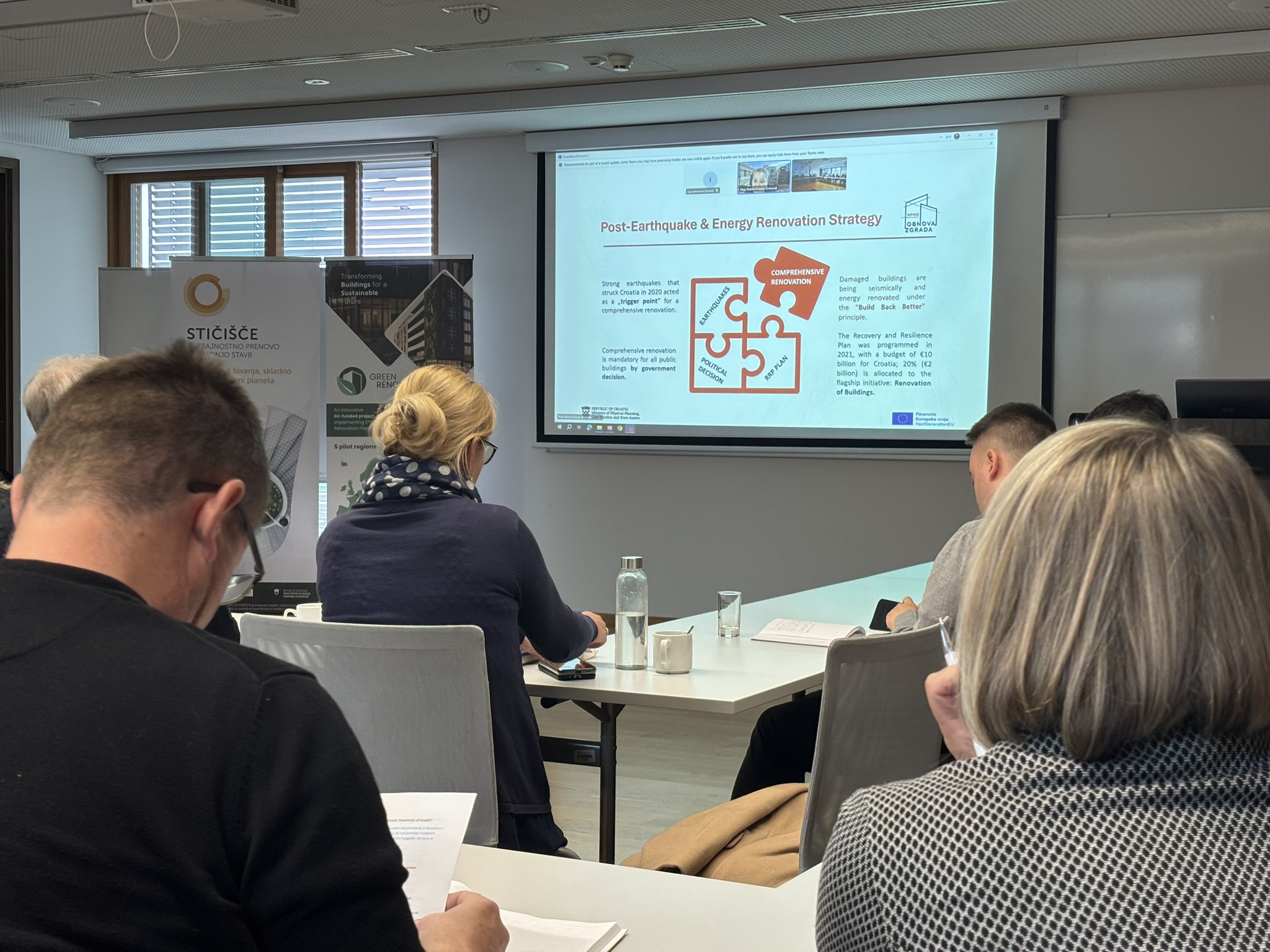
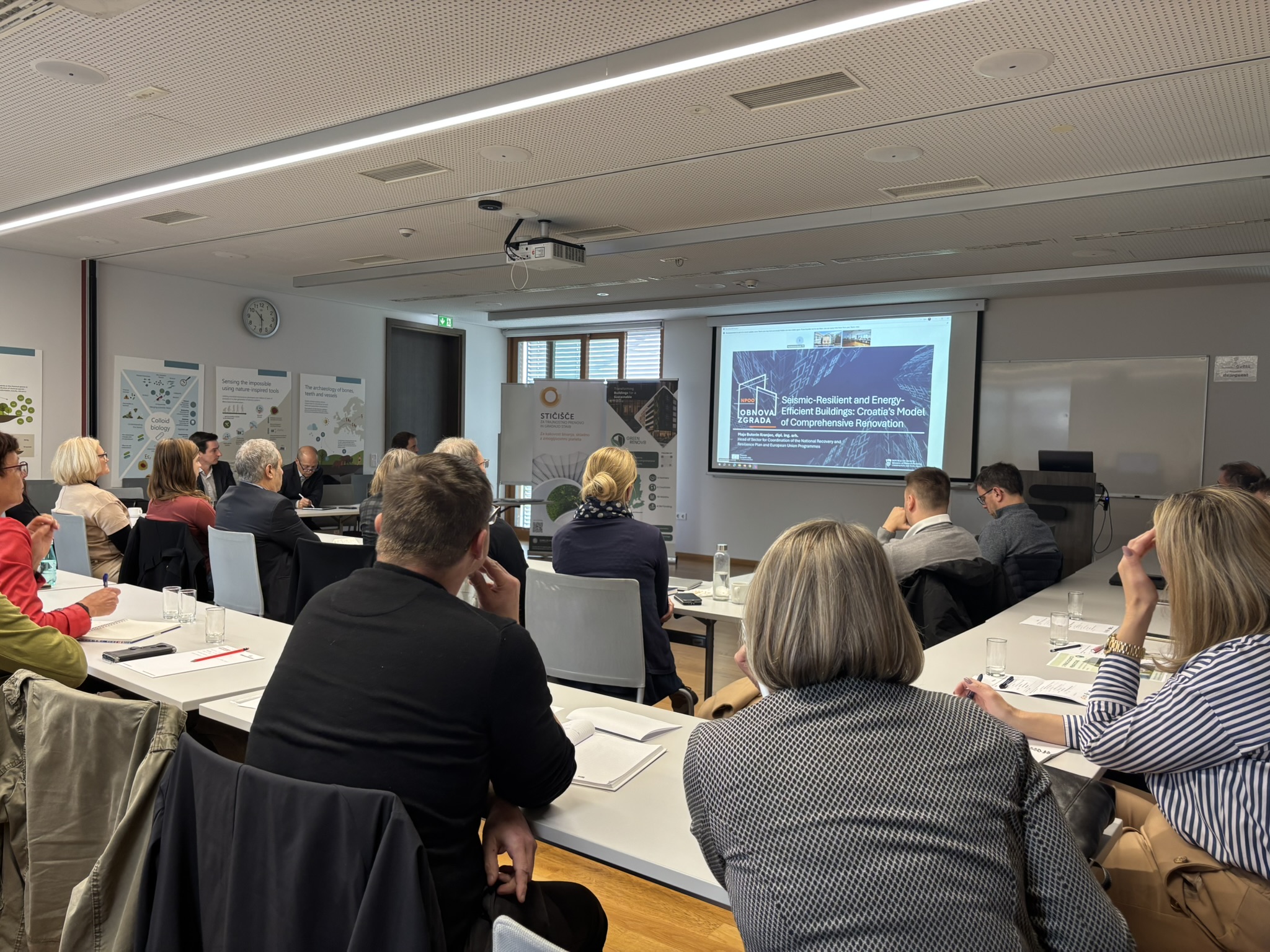
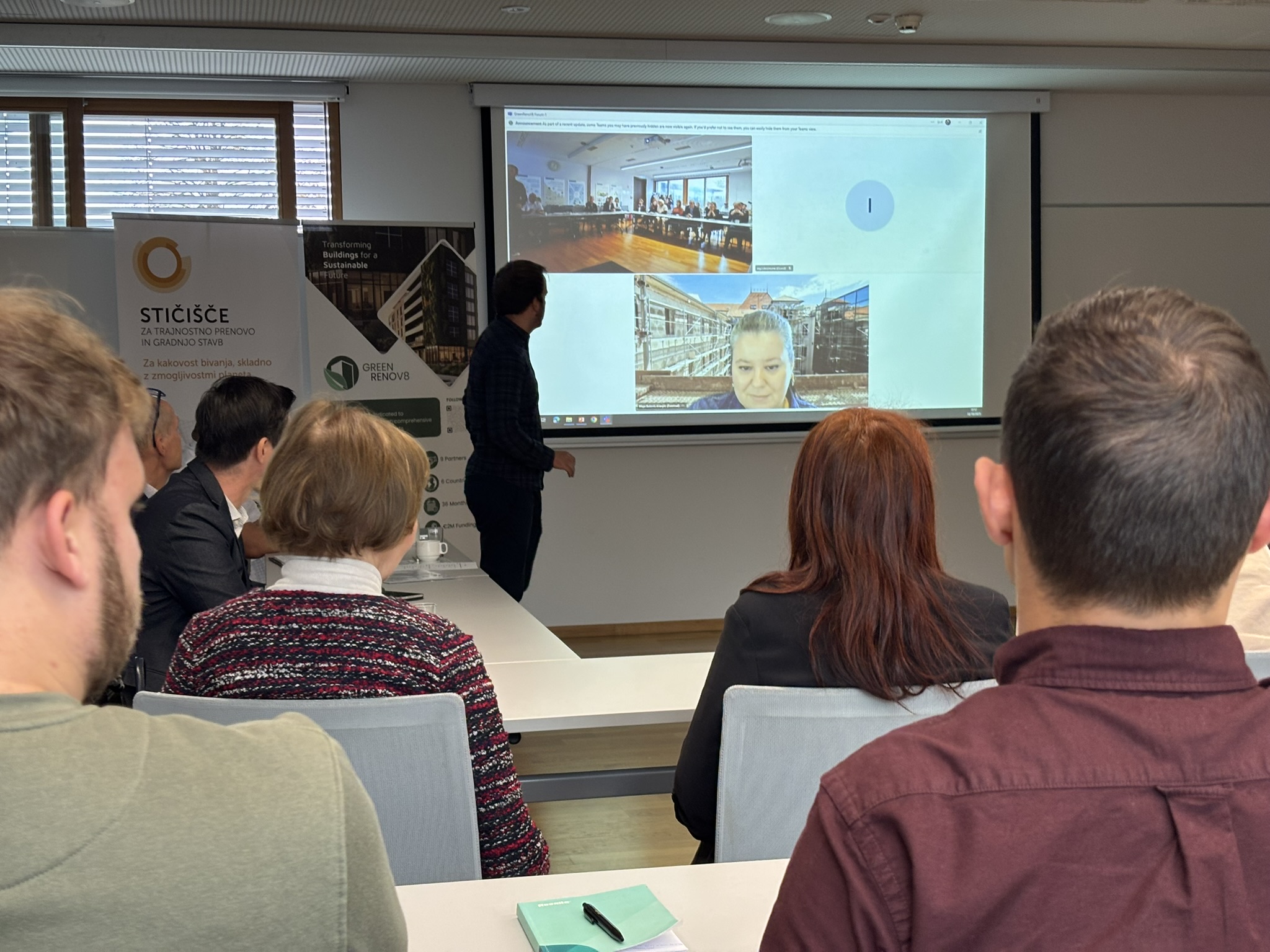
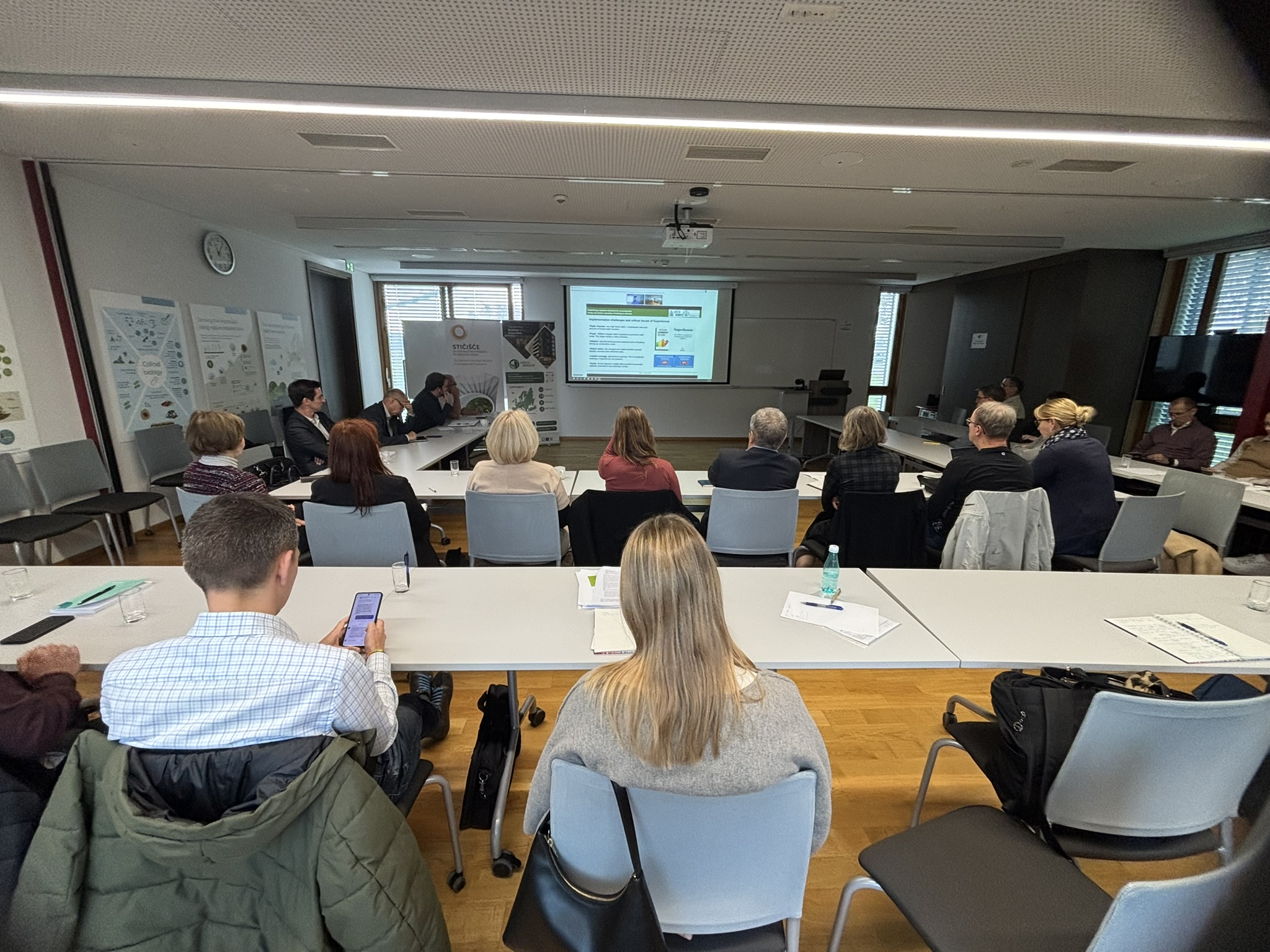
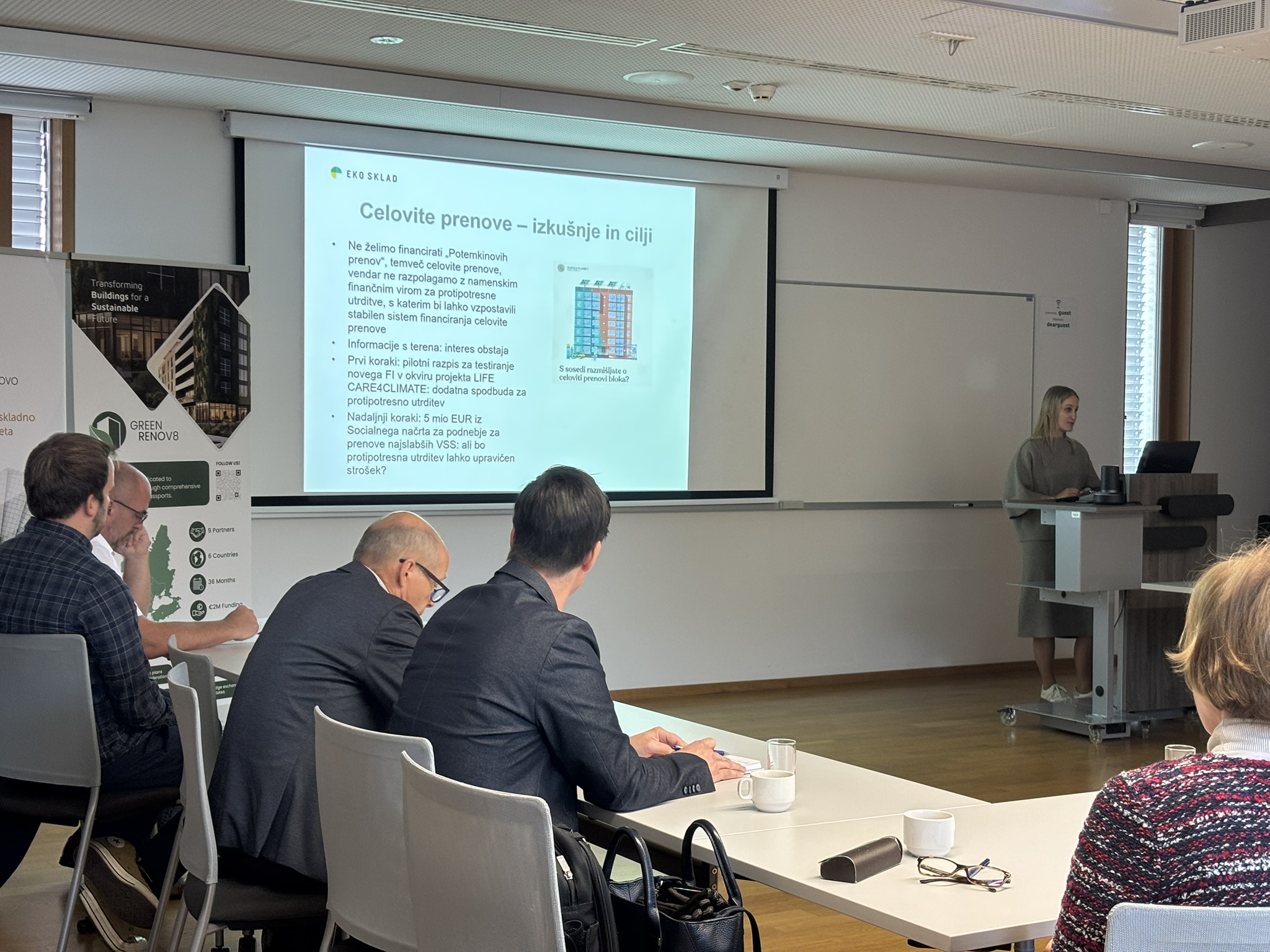
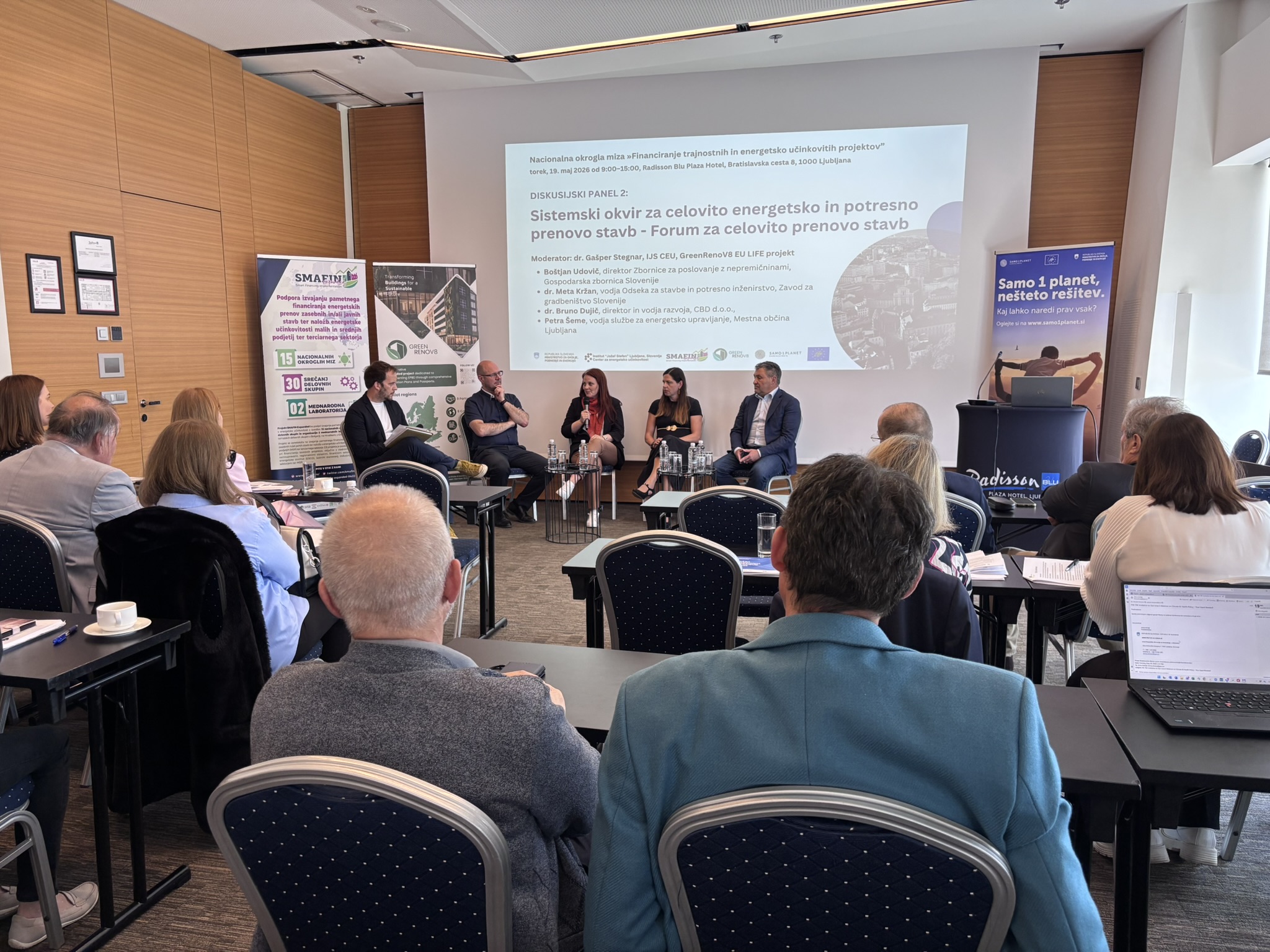
On Thursday, 16 October 2025, the 1st Forum on Integrated Building Renovation was successfully held within the LIFE GreenRenoV8 project. The event focused on establishing a long-term systemic framework for the integrated renovation of buildings in Slovenia, with particular emphasis on the simultaneous energy and seismic retrofit.

The forum brought together representatives of ministries, professional associations, research institutions, energy service providers and financial institutions, who discussed the key steps needed to ensure an effective and safe renovation of Slovenia’s building stock. The aim of the forum was to shed light on the current situation in both fields, identify major gaps and challenges, and highlight comparative approaches from abroad where similar issues have already been successfully addressed.

Throughout the forum, we had the opportunity to hear diverse perspectives, challenges and solutions related to comprehensive building renovations in Slovenia and internationally. These insights were shared by experts from research institutions, ministries and other key stakeholders working in the fields of energy and seismic renovation.

>>> Policy Brief with key takeaways [EN]

>>> Policy Brief with key takeaways [SI]

25. 08. 2025

Europe is on a mission: achieving a climate-neutral society by 2050. Central to this journey is the EU Renovation Wave strategy, aiming to double the annual building renovation rate by 2030. But with half of Europe located in seismic-prone regions, renovations need to do more than improve energy efficiency – they must also make buildings safer, stronger, and smarter.

This is where GreenRenoV8 steps in. Funded by the European Union with €2 million and running from October 2024 to September 2027, the project brings together nine partners from six countries, united in the goal of transforming European building renovation through innovation, sustainability, and resilience.

A holistic approach to renovation

GreenRenoV8 combines energy efficiency, seismic resilience, and environmental sustainability into a single, integrated approach. By leveraging the Energy Performance of Buildings Directive (EPBD), the project demonstrates how renovations can simultaneously reduce energy demand, strengthen structures, and minimize carbon emissions–helping Europe move toward zero emission buildings.

The project also embraces the Building Renovation Passport, a tool that guides building owners and professionals through sustainable renovation plans, considering energy, seismic safety, and life-cycle carbon impacts.

Innovation in action: pilot sites across Europe

GreenRenoV8 isn’t just theory–it’s practice. The project is developing pilot cases of the GreenRenoV8 Building Renovation Passport (BRP) in Austria, Belgium (Flanders), Greece, Italy, and Slovenia. In each country, three pilot cases will address multi-family buildings, public buildings, and social housing. These pilots will test and refine the methodology by evaluating key indicators such as time requirements, data availability, and the effectiveness of provided guidelines. This process will ensure that the GreenRenoV8 BRP is robust and ready for practical implementation.

Ambitious goals with measurable impact

GreenRenoV8 has set ambitious projected impacts over a five-year horizon, including 357 GWh in primary energy savings, 510 GWh of renewable energy generation, 41,079 tons of avoided CO₂eq emissions, and €9.1 billion in sustainable energy investments.

Beyond the numbers, the project empowers decision-makers with actionable tools for planning and financing renovations, addressing not just energy efficiency but also seismic vulnerability and embodied carbon.

Why it matters

By integrating energy, safety, and sustainability, GreenRenoV8 is redefining what building renovation can achieve. Its pilots are designed to provide replicable models at the national level across Europe, ensuring that the methodology can be scaled and adapted beyond the initial pilot countries.

From safer homes to lower carbon footprints and long-term energy savings, GreenRenoV8 shows that sustainable renovation is not just a technical challenge–it’s a pathway to a more resilient and climate-friendly Europe.

Project duration: October 2024 – September 2027

Funding: LIFE Programme of the European Union, Grant Agreement No. 101167626

Learn more: GreenRenoV8 Official Website | EU LIFE Project Page